
Dermal Fillers
In today’s world of cosmetic enhancements, dermal fillers have garnered substantial popularity. They provide immediate and long-lasting results for various areas of the face.
How Dermal Fillers Work
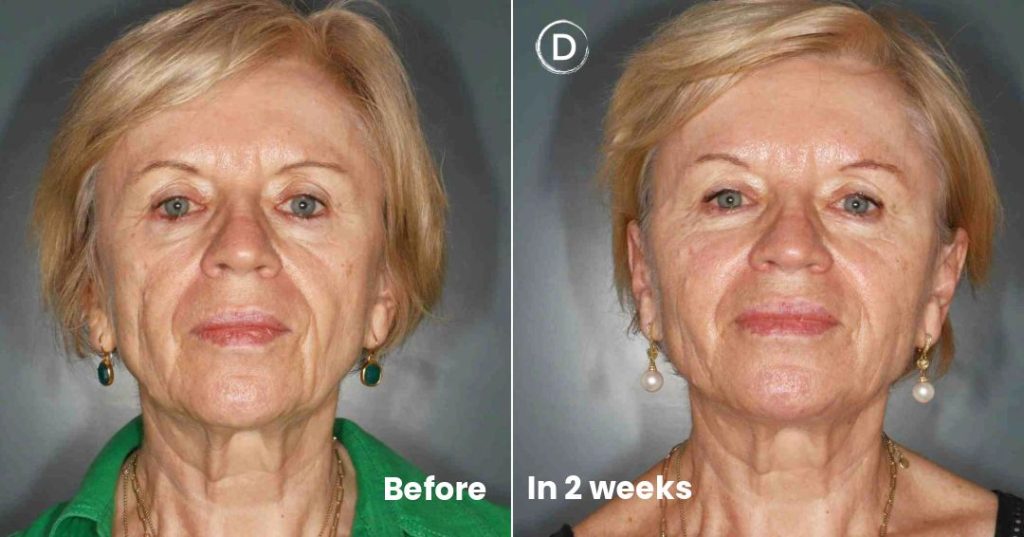
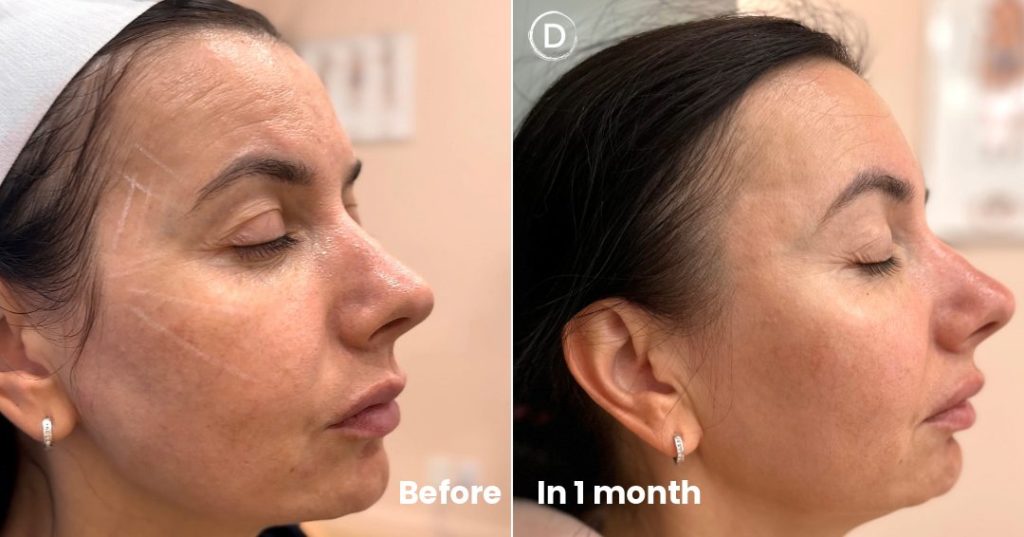
Dermal fillers operate in diverse ways, primarily depending on their unique compositions. Hyaluronic acid fillers possess the remarkable ability to attract and retain water and improve fine lines and wrinkles. When injected into soft tissues, they enhance areas with volume loss, diminish depressed scars and plump up wrinkles.
Fillers like Sculptra, Radiesse, or Bellafil fall into the category of collagen-stimulating fillers. These fillers make the body produce more collagen, which makes the skin look better and more elastic over time.
Exploring the Types of Dermal Fillers
The FDA has granted approval for a range of dermal fillers. Your options encompass:
- Hyaluronic Acid-Based Fillers: Juvederm, Restylane, the RHA collections, Belotero Balance, and Revanesse Versa.
- Poly-L-Lactic Acid (PLLA) Fillers: Sculptra.
- Calcium Hydroxyapatite-Based Fillers: Radiesse.
- Polymethyl Methacrylate (PMMA) Fillers: Bellafil.
Where Science Meets Elegance
Your skin tells your story — let it reflect the very best version of you. Our team provides expert, personalized care designed to help you look and feel radiant at every age.
What Conditions Can Dermal Fillers Treat?
Lip Enhancement/Lip Fillers
Improvement of Temple Hollows with Fillers
Treatment of Nasolabial Folds
Dermal Fillers for Perioral Wrinkles / “Smoker’s Lines”
Chin Augmentation/Chin Filler
Tech Neck / Horizontal Lines on the Neck Treatment
Jawline Improvement / Jawline Fillers and Sagging Skin
Cheek Fillers
Hand Rejuvenation with Dermal Fillers
Collagen Stimulation On the Chest (the Décolletage), Upper Arms, Thighs, Hips, and Knees
Treatment of Dark Circles Under Eyes / Tear Throughs
You can address under-eye darkness through two distinct approaches. Direct treatment injects filler into hollow areas, while indirect treatment improves cheek structure to support the under-eye area. We use different fillers, including Restylane Enlight, an FDA-approved filler made for this area.
Frequently Asked Questions
Are dermal fillers permanent?
No, dermal fillers are not permanent. The most commonly used fillers, such as hyaluronic acid fillers (including Juvederm, Restylane, RHA Collection, and Belotero), are designed to be temporary. They typically last about 6-12 months, depending on the product, treatment area, and individual factors like metabolism and lifestyle. Biostimulatory fillers like Sculptra or Radiesse may last longer.
While manufacturers state that fillers last around one year, the reality is that their effects often persist longer. Even as the filler substance begins to break down, residual benefits like collagen stimulation may extend the visible results. However, this can vary greatly between individuals.
Regular maintenance appointments can help refine and sustain results over time. We use clinical judgment to determine the appropriate timing for touch-ups, ensuring you maintain your desired look without overfilling.
In a competitive market like New York City, it’s crucial to choose an experienced and board-certified dermatologist for dermal filler treatments. Proper placement and product selection ensure long-lasting, balanced results that enhance your natural beauty.
Can Dermal Fillers be removed?
Yes, hyaluronic acid fillers can be removed. If you are unhappy with the results, there is a solution. A substance called hyaluronidase can dissolve the filler.
Hyaluronidase breaks down hyaluronic acid in the filler. This helps the body absorb and remove it naturally. The process is quick but may need more than one session. This depends on the amount of filler used, the type of filler, and how long the filler has been in place.
But be aware that not all dermal fillers can be dissolved. Sculptra, Radiesse, and Bellafil do not dissolve but naturally metabolize over time.
It’s important to choose a skilled, board-certified dermatologist to make sure your filler treatment fits your facial structure and beauty goals. In cases where permanent or semi-permanent fillers like Sculptra or Radiesse are used, thorough consultation and expert application are key to avoid unwanted results.
Can dermal fillers cause cancer?
No, dermal fillers do not cause cancer. These products have been in widespread use for many years, and comprehensive safety data backs their prolonged usage.
Recently, there have been worries online that dermal fillers could cause cancer. This is because they might move to the lymphatic system. However, scientific research and verified medical studies do not back these claims. Researchers formulate and test fillers to ensure they are biocompatible, meaning they design them to safely integrate with the body.
Can Dermal Fillers migrate?
Dermal filler migration refers to the movement of the filler from the injection site to another area. While filler migration is possible, it is relatively uncommon when performed by an experienced provider using the correct technique and product.
Filler migration is most likely to occur in areas where there is frequent movement. For example, the lips, which are highly mobile, may be more prone to migration. Areas like the tear troughs (under-eye hollows) may experience migration due to the delicate nature of the tissue.
Fillers injected deeper, like those for cheeks, chin, or jawline, are usually more stable. They are less likely to move. These treatments involve precise placement into deeper layers of tissue, providing structure and volume without significant risk of migration.
What dermal fillers are the best?
There is no single “best” dermal filler—it all depends on your unique facial anatomy, aesthetic goals, and treatment needs. Different fillers are designed to address specific concerns, and the right choice will vary from person to person.
At our NYC clinic, we work exclusively with reputable brands known for their safety, effectiveness, and natural-looking results. These include: Restylane, Juvederm, RHA Collection, Belotero, Sculptra, and Radiesse.
While complications from dermal fillers are rare, it’s important to understand what can happen and how they are managed. Most issues are mild and temporary, but in rare cases, more serious complications can occur.
Are Dermal Fillers Safe?
Dermal fillers are both safe and highly effective when administered by licensed and trained professionals. Injecting dermal fillers requires an extensive understanding of anatomy, knowledge of your medical history, expertise, and a keen artistic eye. Choosing a board-certified dermatologist means you get an FDA-approved product, ensuring good results with few problems.
Dermal fillers can cause potential side effects like swelling, bruising, changes in skin color, or lumps and bumps. The most common side effects of dermal fillers are temporary with short recovery time. If the filler enters a blood vessel, it can cause serious problems. These problems include skin ulcers, tissue death, and very rarely, vision problems.
Are Dermal Fillers Painful?
Injection of dermal fillers is typically a painless procedure. Most filler formulations contain lidocaine, a local anesthetic. Furthermore, we take extra steps to maximize your comfort by applying a topical numbing cream before the procedure. To feel better, take acetaminophen before and after the procedure to ease any slight discomfort that might occur. Any slight swelling, tenderness, or discomfort after treatment is usually temporary and lasts only a few days.
What happens when dermal fillers go wrong?
The majority of dermal filler side effects are minor and resolve on their own within a few days to weeks. These include: bruising, redness or swelling, and firmness or lumps.
The most serious risk happens when filler accidentally goes into a blood vessel. This can cause a problem called vascular occlusion. This can cause tissue damage and requires immediate treatment to restore blood flow.
If something goes wrong, you can be sure that most problems can be fixed. This is especially true when an experienced, board-certified dermatologist handles them.
- For minor side effects: Ice packs, gentle massage, and time are usually sufficient.
- For lumps or irregularities: Hyaluronic acid fillers can be dissolved using an enzyme called hyaluronidase, allowing for quick correction.
- For vascular occlusion: Emergency treatment with hyaluronidase and other measures can resolve the issue and minimize damage.
Can I buy dermal fillers online?
While it is unfortunately possible to buy dermal fillers online, we strongly discourage this practice. Purchasing fillers from unverified sources poses serious risks to your health and safety.
Products sold online often lack proper labeling, certifications, or guarantees of authenticity. There is a high risk of receiving counterfeit or contaminated fillers that may cause severe complications, including infections or allergic reactions.
Administering fillers requires extensive training and knowledge of facial anatomy. Attempting self-injection or using unqualified providers can result in serious complications, including nerve damage or vascular occlusion.
At our NYC clinic, we source all dermal fillers directly from the manufacturers or their authorized representatives. This ensures that every product we use is: authentic, FDA-approved for safety and effectiveness, and is stored and handled under the highest medical standards.
Can dermal fillers be used under and around the eyes?
Yes, dermal fillers can be used under and around the eyes, but this is a highly delicate area that requires exceptional skill and expertise. Not everyone is a candidate for this treatment.
Dermal fillers can address several common concerns around the eyes, including tear troughs, dark circles, fine lines, and wrinkles.
Is a needle or cannula best for injecting dermal fillers?
Needles and cannulas are often used to inject dermal fillers. The choice depends on the treatment area, the results wanted, and the injector’s skill. Each has its advantages and limitations.
A cannula is a blunt, flexible instrument used to administer dermal fillers. Unlike needles, cannulas are designed to slide through tissue without cutting, reducing the risk of damage to blood vessels and other structures.
No matter what tool is used, the skill and experience of your provider are the most important factors. They help ensure safe and beautiful results. At our NYC clinic, we tailor every treatment to your unique needs, using the most appropriate tools and techniques for optimal outcomes.
How Much do Dermal Fillers Cost?
Dermal filler treatments are cosmetic procedures and are usually not covered by insurance, even for face defects. To get a clearer understanding of the associated costs, we recommend referring to our price list. However, it’s important to note that the pricing can vary based on the specific procedure and the type of filler utilized. We may offer discounts in instances where a liquid facelift requires multiple syringes.
In NYC, dermal fillers cost around $650 to $1200 per syringe, depending on the type of filler chosen. It’s crucial to exercise caution when encountering significantly lower prices, as they may be too good to be true. Extremely low prices may indicate the use of non-genuine products or a provider with less experience in injecting dermal fillers.
How Much of Dermal Fillers Do I Need?
The quantity of filler required varies based on specific concerns and the targeted treatment area. Usually, a syringe of filler has 1 ml, like a big blueberry.
If a patient adheres to regular maintenance, it’s possible to achieve noticeable improvements with as little as one syringe. However, the approximate quantities required for various areas are as follows:
- Temples: 1-2 syringes (additional syringes may be necessary for significant hollowness)
- Cheeks: 1-3 syringes per cheek.
- Jawline: 2-4 syringes
- Lips: 0.5-1 syringe
- Tear Trough: 0.5-1 syringe
We suggest patients start with one or two syringes of dermal fillers and gradually increase if necessary. It’s important to understand that dermal fillers require a few weeks to fully settle. They may attract water, and the final result becomes evident after some time. This progressive approach ensures fewer complications, and heightened satisfaction, and allows the patient to become accustomed to their enhanced appearance.
Where Confidence Begins.
Reveal the beauty of healthy skin with treatments tailored to you. Dr. Kazlouskaya & her team combines medical expertise with artistry to deliver natural, timeless results.