Wrinkle Treatment · Upper East Side NYC

Wrinkle Treatment in New York City

Refined assessment. Precise correction. Natural, enduring results.

Wrinkle treatment in NYC varies widely depending on the approach.

Wrinkle treatment and facial rejuvenation at Dermatology Circle in New York City
Dermatology Circle · NYC Individual Anatomy · Individual Plan

At Dermatology Circle, treatment is based on individual anatomy and wrinkle type rather than standardized protocols.

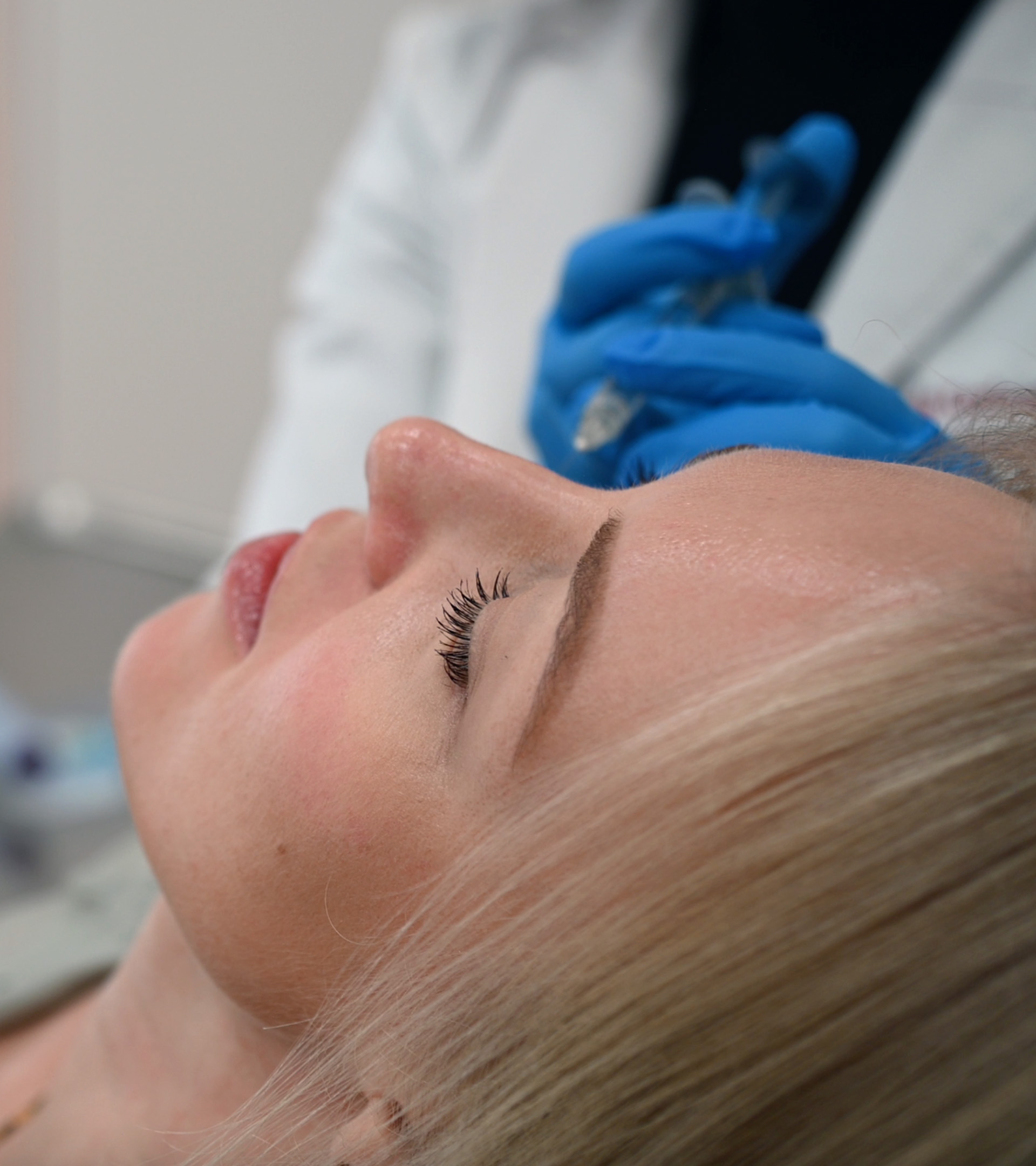
Not all wrinkles are the same. At Dermatology Circle on Manhattan’s Upper East Side, wrinkle treatment begins with an accurate assessment. Dr. Kazlouskaya determines what is causing your specific lines before recommending anything.

In reality, many patients have more than one wrinkle type. Treatment may therefore involve a carefully designed combination that evolves over time according to anatomy, skin quality and treatment goals.

Written and reviewed by Viktoryia Kazlouskaya, MD, PhD · Board-Certified Dermatologist

Understanding Your Wrinkles

Not All Wrinkles Are the Same.

Understanding the difference is the foundation of treating wrinkles effectively.

01
Facial Movement

Dynamic Wrinkles

Dynamic wrinkles form from repeated facial movement. Smiling, squinting and frowning repeatedly fold the skin in predictable areas.

As collagen declines, the skin springs back less completely, and a temporary expression line can gradually become more persistent.

Common locations include the forehead, between the brows and crow’s feet.

These generally respond best to neuromodulators.
02
Visible at Rest

Static Wrinkles

Static wrinkles remain visible even when the face is completely at rest. They reflect accumulated collagen loss, skin thinning, repeated movement and sometimes loss of underlying support.

Examples may include established perioral lines, nasolabial folds and marionette-area lines.

Treatment may involve fillers, biostimulatory injectables, resurfacing or a combination.
03
Surface Aging

Fine Lines

Fine lines are shallow surface lines and are often among the first visible signs of skin aging.

Dehydration, cumulative UV damage and gradual thinning of the skin can all contribute.

Skinvive, retinoids, chemical peels, microneedling and laser resurfacing may each have a role.
04
Structural Support

Volume-Related Folds

Some apparent wrinkles are caused less by the skin itself and more by loss of fat and structural support beneath it.

What looks like a surface line may actually be a fold created by deeper volume change.

These concerns require evaluation of structural support, not surface treatment alone.
In Clinical Practice

Most patients present with a combination of wrinkle types. Treating only one component may produce only partial improvement.

Why Wrinkles Form

Wrinkles Reflect More Than Age.

Collagen decline is part of aging, but sun exposure, facial movement, hormones, lifestyle and overall health all influence how and when wrinkles develop.

01
Aging

Collagen & Elastin Loss

As we get older, skin loses collagen and elastin, which help keep it firm, smooth and resilient. This decline in structural support contributes to wrinkle formation and skin laxity.

02
Environment

Sun Exposure

UV radiation is a major environmental driver of wrinkle formation. It damages collagen and accelerates processes involved in collagen breakdown, contributing to lines and texture change.

03
Movement

Facial Expressions

Repetitive smiling, squinting and frowning create dynamic wrinkles. As skin loses some of its ability to spring back completely, these expression lines can become persistent.

04
Hormones

Hormonal Changes

Estrogen plays an important role in collagen production. The decline associated with perimenopause and menopause can contribute to changes in skin thickness, elasticity and lines.

05
Lifestyle

Daily Skin Stress

Smoking, chronic stress, inadequate sleep, nutrition and alcohol consumption may influence oxidative stress, collagen biology and overall skin quality.

06
Whole-Patient Care

Underlying Health

Overall health may affect how skin ages and how it responds to treatment. Relevant medical, metabolic, hormonal and immune-related factors are considered during consultation.

Dermatology Circle

Your wrinkle pattern is evaluated in the context of your skin, facial anatomy and overall health — not by age alone.

Where Science Meets Elegance Your skin tells your story — let it reflect the very best version of you.

Personalized care is designed around your anatomy, skin quality and treatment goals.

Schedule Your Consultation
Before & Afters

Different Wrinkles. Different Treatments.

Two patient examples demonstrate why wrinkle treatment depends on the mechanism behind the line.

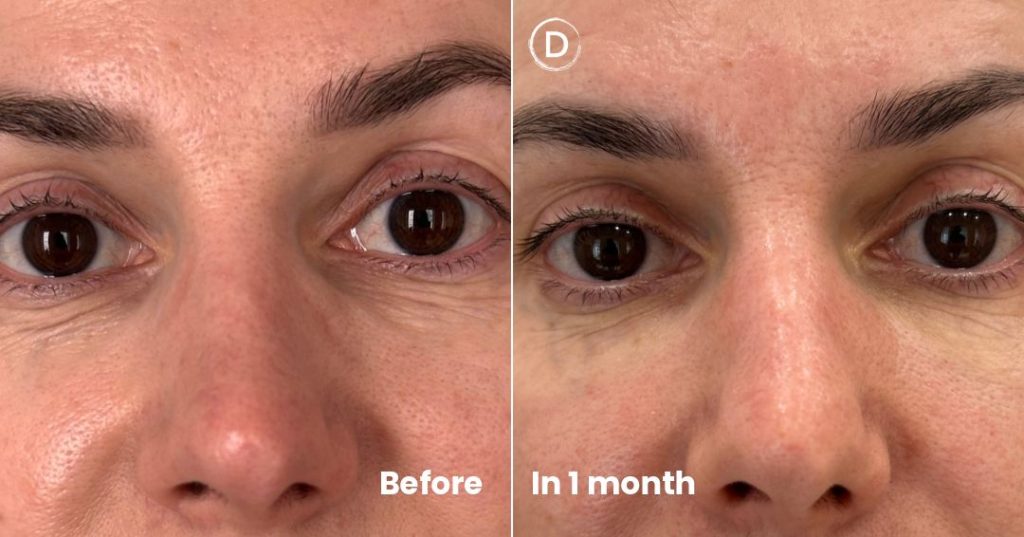
Case 01 Laser Resurfacing
Before and after laser resurfacing for fine lines and crepiness around the eyes at Dermatology Circle NYC
Area Periorbital Follow-Up 1 Month
Fine Lines · Skin Quality

Periorbital Fine Lines & Crepiness

Laser resurfacing was used to improve the skin itself.

The treatment addressed periorbital wrinkles, surface texture and crepiness rather than muscle activity.

01

Treatment Erbium Ablative Laser

02

Primary Target Fine Lines & Skin Quality

View Full Patient Case
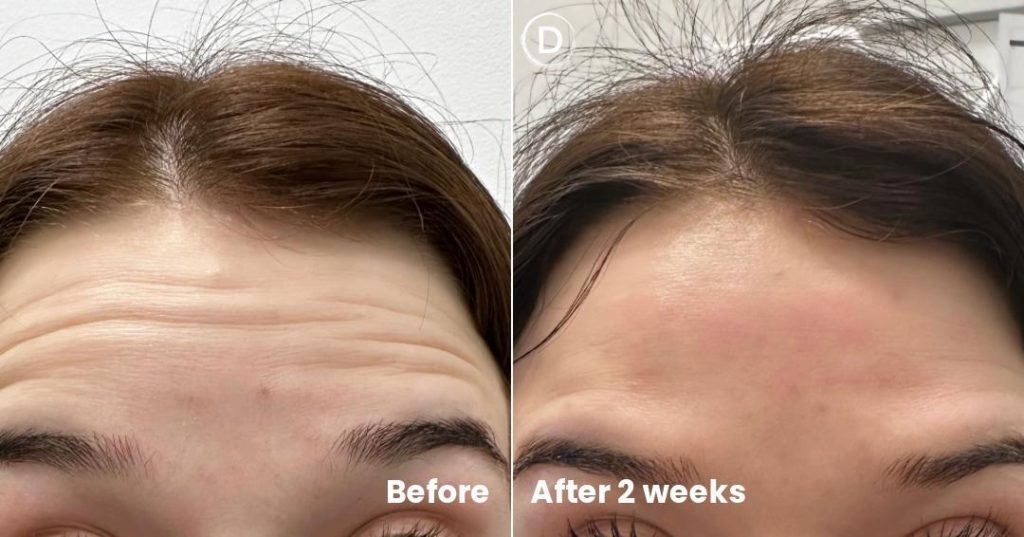
Case 02 Neuromodulator
Before and after Botox treatment for dynamic forehead wrinkles at Dermatology Circle NYC
Area Forehead Follow-Up 2 Weeks
Dynamic Wrinkles · Movement

Dynamic Forehead Wrinkles

Facial movement was the primary cause of these forehead lines.

Botox was used to reduce the muscle activity responsible for repeated forehead folding while preserving a natural appearance.

01

Treatment Botox

02

Primary Target Muscle Movement

View Full Patient Case
Treatment Options

Different Treatments Work at Different Layers.

Wrinkle treatments range from medical skincare to advanced in-office procedures. Each option targets specific causes and depths of aging.

01
Daily Foundation

Medical-Grade Skincare

What happens between appointments matters.

In-office treatments can rebuild collagen, improve skin quality or restore structure, but repeated unprotected UV exposure continues to contribute to collagen breakdown.

Medical-grade skincare therefore forms an important foundation for supporting treatment results and maintaining overall skin quality.

At Dermatology Circle, we carry and recommend SkinBetter Science products. The line includes formulations designed for concerns such as fine lines, texture, hydration and photodamage.

SkinBetter Science AlphaRet

AlphaRet combines a retinoid with an alpha-hydroxy acid. It is designed to improve the appearance of fine lines, texture and uneven tone while supporting tolerability.

Targeted Expression Lines InterFuse Intensive Treatment LINES

InterFuse Intensive Treatment LINES is a targeted topical treatment designed for visible expression lines, including the forehead, crow’s feet, perioral lines and smile lines.

Dermatology Circle · SkinBetter Science Shop Physician-Recommended Skincare

SkinBetter Science products recommended as part of your treatment plan can also be purchased online through Dermatology Circle’s partner storefront.

Online Partner Store Shop SkinBetter Science

Skincare can complement Botox, fillers and device-based treatment, but it does not replace them when muscle activity, structural volume loss or deeper skin aging is the primary concern.

02
Surface Renewal

Chemical Peels

Chemical peels use selected acids to exfoliate outer layers of skin, encouraging renewal and improving the appearance of a smoother, more even surface.

Peel depth can range from mild to medium depending on treatment goals.

They may be particularly useful for diffuse fine lines, early photodamage and overall skin-quality improvement.

Recovery varies according to treatment depth and is planned around the patient’s schedule.

03
Collagen Remodeling

Microneedling

Microneedling creates controlled micro-injuries within the skin, stimulating a wound-healing response and collagen remodeling.

It may improve fine lines, early texture changes and overall skin quality with relatively limited downtime.

Multiple treatments are often used when progressive, cumulative improvement is the goal.

Patient selection, treatment depth and skin characteristics are evaluated individually.

Explore Microneedling
04
Dynamic Wrinkles

Neuromodulators

Neuromodulators are a primary treatment for wrinkles caused by repeated facial muscle movement.

Botox, Xeomin, Daxxify, Dysport, Jeuveau and Letybo are botulinum toxin type A products used to temporarily reduce selected muscle activity.

In everyday clinical practice, their results are broadly similar when dosing and placement are appropriate. Differences in formulation, onset and duration exist, but anatomy and injection technique remain particularly important.

Dr. Kazlouskaya frequently uses Xeomin, which is formulated without accessory complexing proteins.

The key to natural-looking results is precise placement and conservative dosing. The goal is to soften expression, not eliminate it.

Botox Xeomin Daxxify Dysport Jeuveau Letybo
05
Structural Support

Dermal Fillers

Fillers can be useful when a wrinkle or fold reflects loss of structural support.

Hyaluronic-acid fillers may add carefully selected volume beneath a line or fold, supporting the tissue from below.

Biostimulatory injectables can also be considered when gradual collagen-based structural improvement is part of the treatment plan.

Product selection depends on the location and character of the line. Different facial areas require different formulations, placement techniques and quantities.

This decision is made after facial assessment rather than from a standardized protocol.

Explore Dermal Fillers
06
Skin Booster

Skinvive

Skinvive uses small hyaluronic-acid microdroplets placed within the dermis to improve skin quality rather than create traditional facial volume.

By improving hydration and smoothness, it can be useful for selected fine surface lines and textural concerns.

It does not replace neuromodulators for dynamic wrinkles or structural fillers when volume loss is the primary problem.

Explore Skinvive
07
Skin Resurfacing

Laser Resurfacing

Laser resurfacing can improve wrinkles by treating the skin itself.

For superficial lines and early skin-quality changes, fractional thulium treatment such as Ultra LaseMD may be considered with relatively limited visible downtime.

For more pronounced wrinkles and photodamage, deeper resurfacing such as CO2 may be more appropriate.

Deeper treatment requires careful adjustment of energy, density and treatment depth, together with realistic discussion of healing time and potential risks.

Learn About CO2 Laser Recovery
08
Collagen & Firmness

Sofwave™ Ultrasound Tightening

Sofwave is an FDA-cleared ultrasound-based treatment that stimulates collagen remodeling within the dermis without ablating the skin surface.

It may be useful when wrinkles coexist with early-to-moderate loss of firmness or laxity.

09
Advanced Aging

Surgical Referral

For patients with deep, long-standing wrinkles accompanied by significant loose skin, non-surgical treatments may not provide enough correction.

This is particularly relevant when advanced laxity affects the lower face and neck.

Surgery can achieve structural changes that devices and injectables cannot reproduce. When surgery is the more appropriate answer, Dr. Kazlouskaya discusses that openly and may refer to trusted surgical colleagues.

The Right Combination — Built for Your Face

Different Layers May Need Different Treatments.

Meaningful results may require addressing more than one contributing factor rather than treating every line in the same way.

Neuromodulators address movement. Fillers can restore structural support. Laser and microneedling address the skin itself. Sofwave can address firmness, while Skinvive and skincare support selected aspects of skin quality.

Each treatment works at a different layer. The objective is a face that looks genuinely refreshed — not frozen, overfilled or obviously treated.

A treatment plan is created during consultation, often in phases, and may evolve over time to keep results balanced.

Natural-looking treatment is not about doing everything. It is about knowing what each component needs.

Dr. Viktoryia Kazlouskaya, board-certified dermatologist and dermatopathologist in New York City
Dermatology Circle Physician-Led Cosmetic Dermatology
Clinical Assessment Before Treatment

Wrinkle Treatment With Viktoryia Kazlouskaya, MD, PhD

Board-Certified Dermatologist · Board-Certified Dermatopathologist

The treatment begins with determining what is creating the line.

Dr. Kazlouskaya evaluates facial movement, skin quality, collagen change, facial volume, structural support and laxity before recommending a procedure.

This determines whether a concern is best approached with neuromodulation, resurfacing, volume restoration, skin-quality treatment, tightening, combination treatment — or no procedure yet.

01 Board-Certified Dermatologist
02 Board-Certified Dermatopathologist
03 Castle Connolly Top Doctor
04 20+ Years in Dermatology

Age does not determine treatment. Anatomy does.

About Dr. Kazlouskaya
Where Confidence Begins Healthy skin. Natural expression. Treatment tailored to you.

Medical expertise and aesthetic judgment are combined to create results intended to remain natural, balanced and recognizable.

Schedule Your Consultation
Frequently Asked Questions

Wrinkle Treatment FAQ.

You do not need to arrive knowing which procedure is right for you.

01 What is the best treatment for wrinkles?

There is no single best treatment because wrinkles are not all the same.

Dynamic wrinkles often respond to neuromodulators. Static or volume-related folds may require structural support. Fine lines may respond to resurfacing, microneedling, Skinvive, peels or retinoids.

Many patients have more than one wrinkle type, so treatment may involve more than one approach.

02 What is the difference between Botox, Daxxify, Dysport, Xeomin, Jeuveau and Letybo?

These are botulinum toxin type A neuromodulators used to treat wrinkles created by repeated facial muscle movement.

They work through the same general mechanism. Differences in formulation, onset and duration exist, but correct dosing and placement are particularly important to the result.

03 At what age should I start treating wrinkles?

There is no universal age at which wrinkle treatment should begin.

The decision depends on facial movement, whether lines remain visible at rest, skin quality, anatomy and personal goals.

Daily sun protection and an appropriate skincare routine can begin long before injectable treatment is considered.

04 Can wrinkles be treated without surgery?

Yes. Many wrinkles can be improved with neuromodulators, fillers, laser resurfacing, microneedling, skin-quality treatments or collagen-focused devices.

However, advanced laxity and significant excess skin may eventually require surgical treatment to achieve the desired degree of correction.

05 What does wrinkle treatment cost in NYC?

Cost varies according to the treatment or combination of treatments selected.

Pricing is confirmed once the appropriate plan has been determined during consultation.

Selecting treatment according to wrinkle type and anatomy is generally more useful than choosing a procedure based only on popularity.

Wrinkle Treatment · Manhattan

Refreshed. Still Completely You.

Start by identifying what is causing the line. The treatment follows from there.

Practice Dermatology Circle
Address 801 Madison Avenue, 4th Floor
New York, NY 10065
Care Physician-Led Cosmetic Dermatology
Approach Precise · Natural · Individualized
Upper East Side · NYC Schedule Your Consultation How Cosmetic Consultations Work