Skin Tightening · Upper East Side NYC

Skin Tightening in New York City

You pinch the skin along your jaw or cheek, and something feels different. It is thinner than it used to be. It does not spring back the way it once did.

Skin tightening and facial rejuvenation treatment at Dermatology Circle in New York City
Dermatology Circle · NYC Physician-Led Skin Tightening

Nobody else may have noticed yet, but you have. Early skin laxity is often the stage where subtle intervention can produce the most natural-looking improvement.

The firmer, more defined face you want is often still there. The goal is to support the structures and skin quality that are beginning to change rather than make the face look different.

At Dermatology Circle on Manhattan’s Upper East Side, skin tightening begins with an assessment. We evaluate what is actually contributing to laxity before suggesting treatment.

Why Skin Loses Its Firmness

Skin Laxity Is Rarely Caused by One Factor.

Skin stays firm because collagen and elastin give the dermis its structure and its ability to rebound. Both decline over time, but several factors can accelerate that process.

01
Hormonal Changes

Perimenopause & Menopause

Estrogen plays an important role in collagen production. When estrogen declines during perimenopause and menopause, collagen loss can accelerate. For many women, changes in firmness in the late 40s and 50s reflect hormonal biology as well as chronological aging.
02
Sun Exposure

Cumulative UV Damage

UV exposure damages existing collagen and promotes additional collagen breakdown. Decades of sun exposure can therefore compound the effects of natural aging and produce more advanced laxity.

03
Weight Loss

Facial Deflation After Weight Change

Significant weight loss, including weight loss associated with GLP-1 medications such as Ozempic, Mounjaro, Zepbound or Wegovy, may reduce facial fat more quickly than the overlying skin adapts. The lower face and neck may appear more deflated and less defined.

04
Genetics & Overall Health

Individual Skin Biology

The rate of collagen decline is partly inherited. Chronic health conditions, nutrition, disrupted sleep and smoking may also affect the skin’s ability to maintain structural proteins and may influence how it responds to treatment.

Our Approach to Skin Laxity

The Visible Problem May Not Be the Whole Problem.

Most patients arrive focused on one visible concern.

We examine the whole face and evaluate what is actually driving the laxity. This matters because what appears to be loose skin can sometimes be partly related to loss of support beneath the skin.

For example, a face that appears to sag may also have volume loss in deeper facial fat compartments. Tightening alone may therefore fail to address the full problem.

01Skin

Skin Quality

Texture, collagen quality, photodamage and fine surface change.

02Support

Facial Volume

Loss or redistribution of deeper facial volume can reduce structural support.

03Laxity

Tissue Firmness

The amount of true laxity determines what a non-surgical treatment can realistically do.

04Planning

Health & Lifestyle

Medical history, medications, recovery time and treatment schedule matter.

Assessment goes beyond facial anatomy. We align treatment with travel, expected healing time and your schedule.

We also review medical history, hormonal status, GLP-1 use, chronic health factors, nutritional status and current medications.

Treatment Planning

Precision in assessment is what separates performing a procedure from creating the right result.

You've Been Thinking About This Long Enough A conversation is the right place to start.
Schedule Your Consultation
What We Use and Why

Skin Tightening Is Not Built Around a Single Device.

Dermatology Circle uses a range of non-surgical treatment options. They may be used individually or in combination depending on what the assessment reveals.

01
Focused Ultrasound

Sofwave™ Ultrasound Tightening

Sofwave is Dr. Kazlouskaya’s primary tightening device for many patients with early-to-moderate laxity.

Sofwave delivers focused ultrasound energy at approximately 1.5 mm depth, targeting the mid-dermis and stimulating collagen remodeling without disrupting the skin surface.

Results develop gradually over the following weeks and months. The change is intended to look progressive rather than abrupt.

The result may include a more defined jawline, firmer skin and an overall appearance that looks rested rather than treated.

The number and timing of treatments are individualized according to the degree of laxity, treatment area and clinical response.

Read More About Sofwave
02
Resurfacing

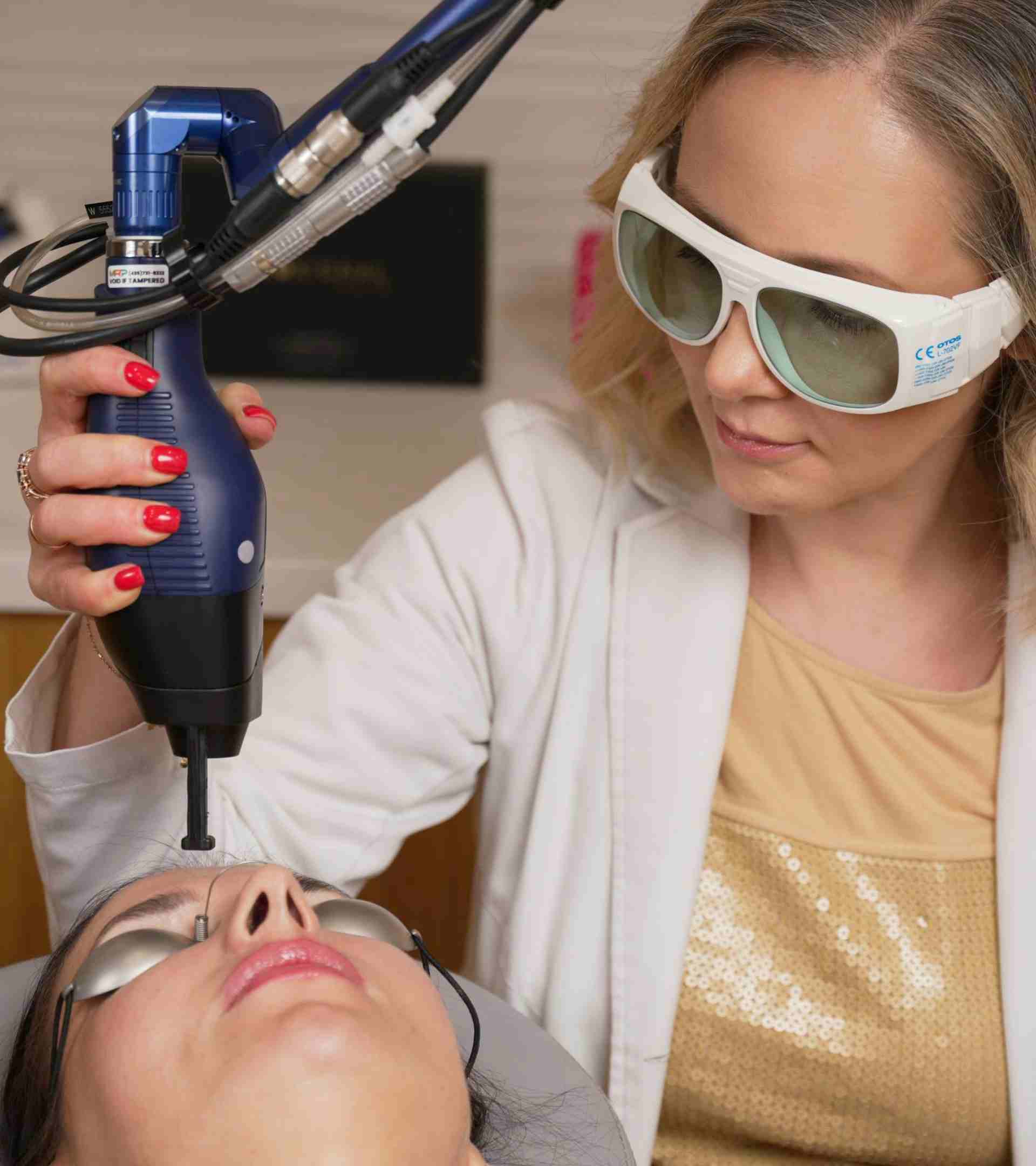
CO2 Fractional Laser Resurfacing

When tightening needs to be combined with improvement in texture, tone and overall skin quality, CO2 fractional resurfacing can address several concerns together.

Precisely controlled columns of thermal treatment trigger wound healing, collagen remodeling and a degree of skin contraction.

Improvement develops over the following months. Recovery depends on treatment intensity and may range from several days to approximately two weeks.

Treatment intensity is planned around the patient's goals, skin characteristics and acceptable recovery time.

Learn About CO2 Laser Recovery
03
Collagen Remodeling

Microneedling

Microneedling uses fine needles to create controlled micro-injuries in the dermis, initiating collagen and elastin remodeling.

It may improve skin quality, firmness and texture, particularly in patients with relatively mild laxity and surface concerns.

Recovery is generally limited, which makes microneedling useful as part of a staged treatment plan for selected patients.

Additional regenerative treatments may be discussed when appropriate, with the role and evidence for each option considered individually.

Explore Microneedling
04
Skin Quality

Skinvive — Intradermal Hyaluronic Acid

Skinvive is not primarily about volume. Its role is improvement in skin quality and hydration.

It works differently from traditional structural fillers and from biostimulatory injectables.

Instead of changing facial shape, small hyaluronic-acid microdroplets are placed within the skin itself.

Hyaluronic acid attracts and retains water within the dermis, supporting hydration and suppleness.

For selected patients, the result may include smoother texture, improved elasticity and healthier-looking skin. It may also complement treatments such as Sofwave, lasers or collagen-stimulating injectables.

Explore Skinvive
05
Collagen Stimulation

Biostimulatory Injectables — Sculptra & Radiesse

Sculptra and Radiesse work differently from conventional hyaluronic-acid fillers. Their role can include stimulation of the patient's own collagen response and gradual support of tissue quality.

Results develop progressively rather than immediately. They may be useful when collagen loss accompanies hormonal change, weight loss or broader age-related change.

Product selection, treatment area and expected duration depend on the individual plan.

06
Maintenance

Medical-Grade Skincare

Skincare should not be treated as an afterthought.

Retinoids, peptides, selected growth-factor formulations, vitamin C and antioxidants may support skin quality and collagen-focused treatment.

Daily sunscreen remains essential because continued UV exposure contributes to ongoing collagen breakdown.

It is also not as simple as choosing any product that lists a familiar ingredient. Formulation quality, tolerability and clinical evidence matter.

07
Advanced Laxity

Surgical Referral

Significant or advanced laxity may require surgery to produce a degree of correction that a device or injectable cannot realistically reproduce.

Recommending surgery when it is the better answer is part of responsible cosmetic care. When appropriate, Dr. Kazlouskaya refers patients to trusted surgical colleagues.

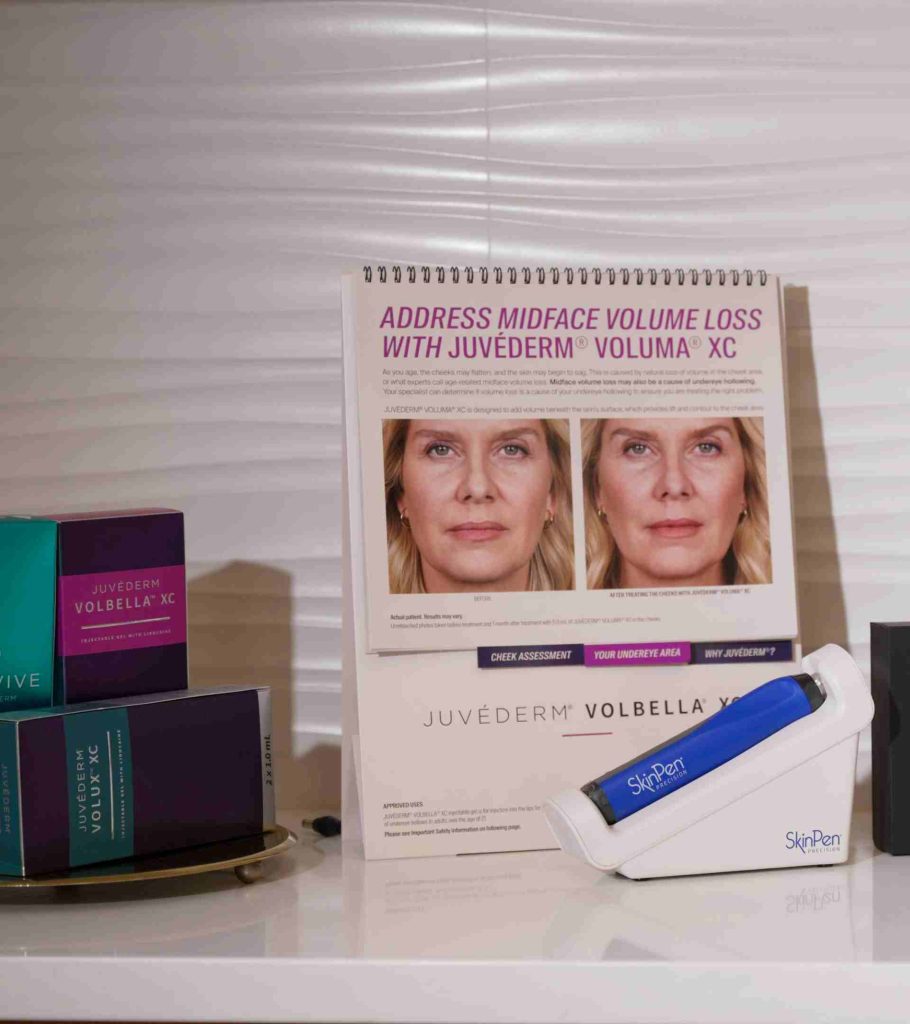
Cosmetic dermatology injectables and SkinPen treatments at Dermatology Circle NYC
Individualized Treatment Planning

Treatments May Be Used Individually or in Combination.

The assessment determines which treatments belong in the plan — and which do not.

Tightening, resurfacing, volume restoration, collagen stimulation and skin-quality treatment solve different problems.

Combining them only makes sense when more than one mechanism contributes to the concern.

The goal is not to perform as many procedures as possible. It is to use the right treatment for the right component of the problem.

Before & Afters

Real Patient Skin Tightening Results.

These two cases show why treatment may range from a targeted device combination to a longer-term multi-modality plan.

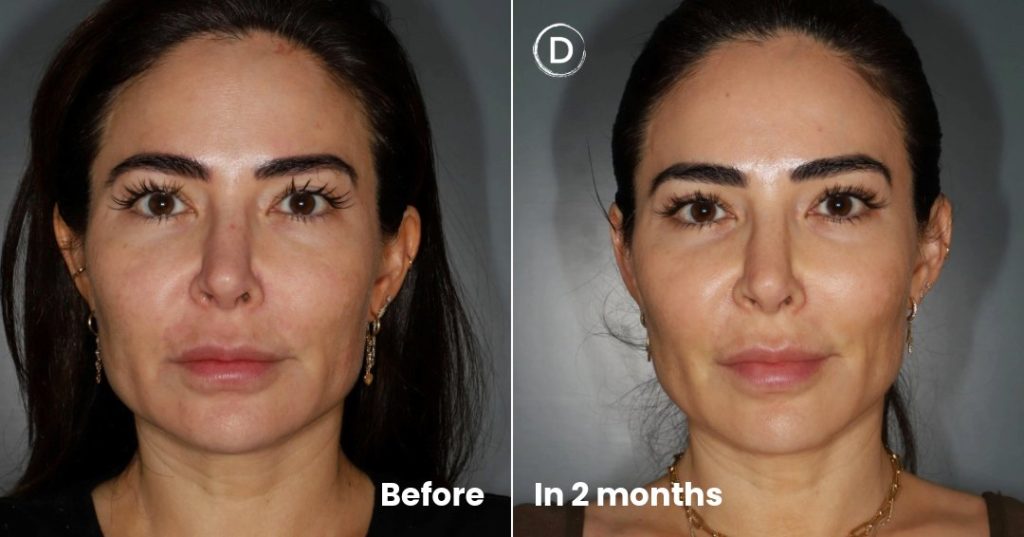
Before and after Sofwave and Ultra LaseMD treatment with results at two months Real Patient · 2-Month Result
Case 01 Sofwave + Ultra LaseMD

Sofwave Ultrasound Tightening + Ultra LaseMD

Sofwave addressed skin firmness while Ultra LaseMD addressed surface quality.

The result shown is at two months. Individual results vary.

View Patient Case
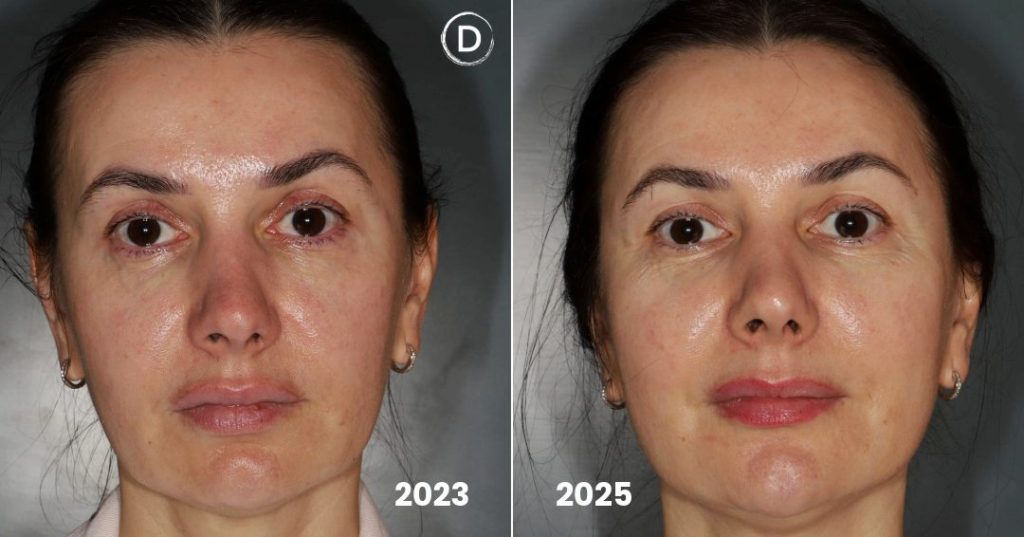
Before and after two-year facial rejuvenation plan using Sofwave fillers Sculptra and laser resurfacing Real Patient · 2023–2025
Case 02 Combination Treatment

Long-Term Facial Rejuvenation

A multi-year treatment plan combined several modalities to address different components of facial aging.

Treatments included Sofwave, hyaluronic-acid fillers, Sculptra and laser resurfacing. Individual results vary.

View Patient Case
What Results Look Like

The Goal Is Not to Look Different.

When skin tightening procedures are matched correctly to the patient, the result should look natural and elegant.

The goal is to look like yourself at your best. The jawline may become more defined without looking pulled.

Skin can appear clearer and firmer, including in direct light and in photographs. Other people may notice the change without immediately knowing why.

This is what accurate assessment, appropriate treatment and careful sequencing are intended to produce.

Natural improvement, not a different face.

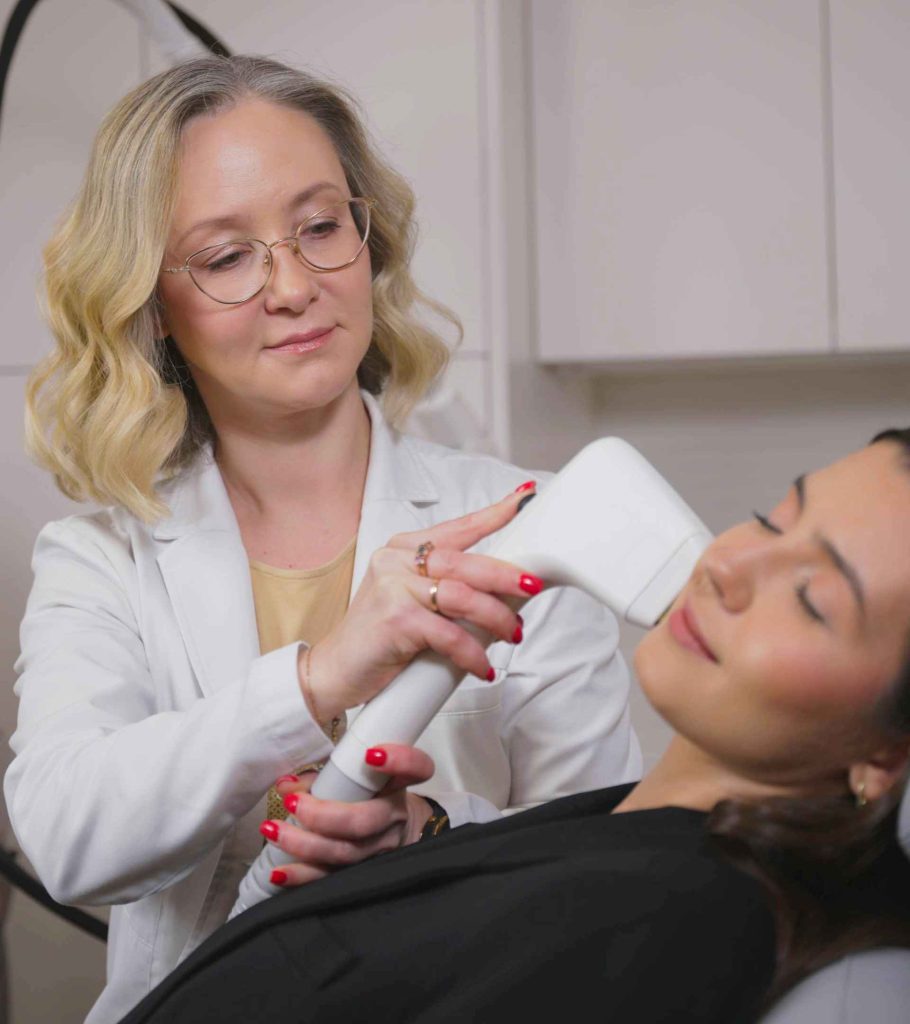
Dr. Viktoryia Kazlouskaya performing Sofwave skin tightening treatment at Dermatology Circle NYC
Dermatology Circle Physician-Led Treatment
Physician-Led Skin Tightening

Viktoryia Kazlouskaya, MD, PhD

Board-Certified Dermatologist · Board-Certified Dermatopathologist

The device is only one part of a skin-tightening treatment plan.

Dr. Kazlouskaya evaluates the degree of laxity, facial volume, skin quality, medical history and previous procedures before selecting treatment.

The same assessment determines when tightening alone is unlikely to provide the desired result.

01 Board-Certified Dermatologist
02 Board-Certified Dermatopathologist
03 Castle Connolly Top Doctor
04 20+ Years in Dermatology
About Dr. Kazlouskaya
Frequently Asked Questions

Skin Tightening FAQ.

The right treatment depends on the degree and cause of laxity, not simply the device name.

01 Does non-surgical skin tightening actually work?

It can for the right patient and the right degree of laxity. Early-to-moderate laxity may respond to focused ultrasound, resurfacing, radiofrequency-based treatments or collagen-stimulating injectables.

Advanced sagging with significant excess skin may require surgery for meaningful correction.

02 How do I know which treatment is right for me?

You do not need to know before your consultation. Different technologies work at different depths and through different mechanisms.

The choice depends on the level of laxity, skin characteristics, medical history, previous procedures and lifestyle.

03 Can skin tightening be combined with fillers or Botox?

Yes. Combination treatment may make sense when different procedures address different components of the concern.

Sequencing matters. Whether tightening, volume restoration or neuromodulation comes first depends on the individual assessment.

04 How long do results last?

Longevity depends on the treatment used, baseline laxity, biological aging and individual response.

Maintenance is best planned after evaluating how the patient responds rather than using a universal schedule.

05 Is skin tightening safe for all skin types?

Focused ultrasound and some other non-ablative treatments can be considered across a broad range of skin tones.

Resurfacing procedures require more individualized consideration because pigmentary risk may differ between patients.

06 What does skin tightening cost in NYC?

Cost varies by treatment, number of areas and complexity of the plan.

Pricing is confirmed once the appropriate treatment strategy has been determined.

Skin Tightening · Manhattan

Firmer. Still Completely You.

Start with an assessment of what is actually contributing to the change.

Practice Dermatology Circle
Address 801 Madison Avenue, 4th Floor
New York, NY 10065
Care Physician-Led Cosmetic Dermatology
Approach Assessment Before Treatment
Upper East Side · NYC Schedule Your Consultation How Cosmetic Consultations Work