Physician-Led Hair Restoration · New York City

Hair Transplant Preparation, Maintenance & Optimization in NYC

A hair transplant is a significant investment of time, of trust, and often of considerable expense. For patients who expect the best possible outcome, the surgery itself is only one part of the equation. A transplant redistributes healthy follicles into areas of reduced density; it does not, on its own, alter the underlying biology that caused the hair loss in the first place. Without the right diagnosis beforehand and precise, physician-led management afterward, even a technically excellent transplant can be undermined by thinning that continues around, or occasionally within, the treated area.

At Dermatology Circle, we work alongside hair transplant surgery, before it happens and for as long afterward as it matters to protect the result our patients have invested in.

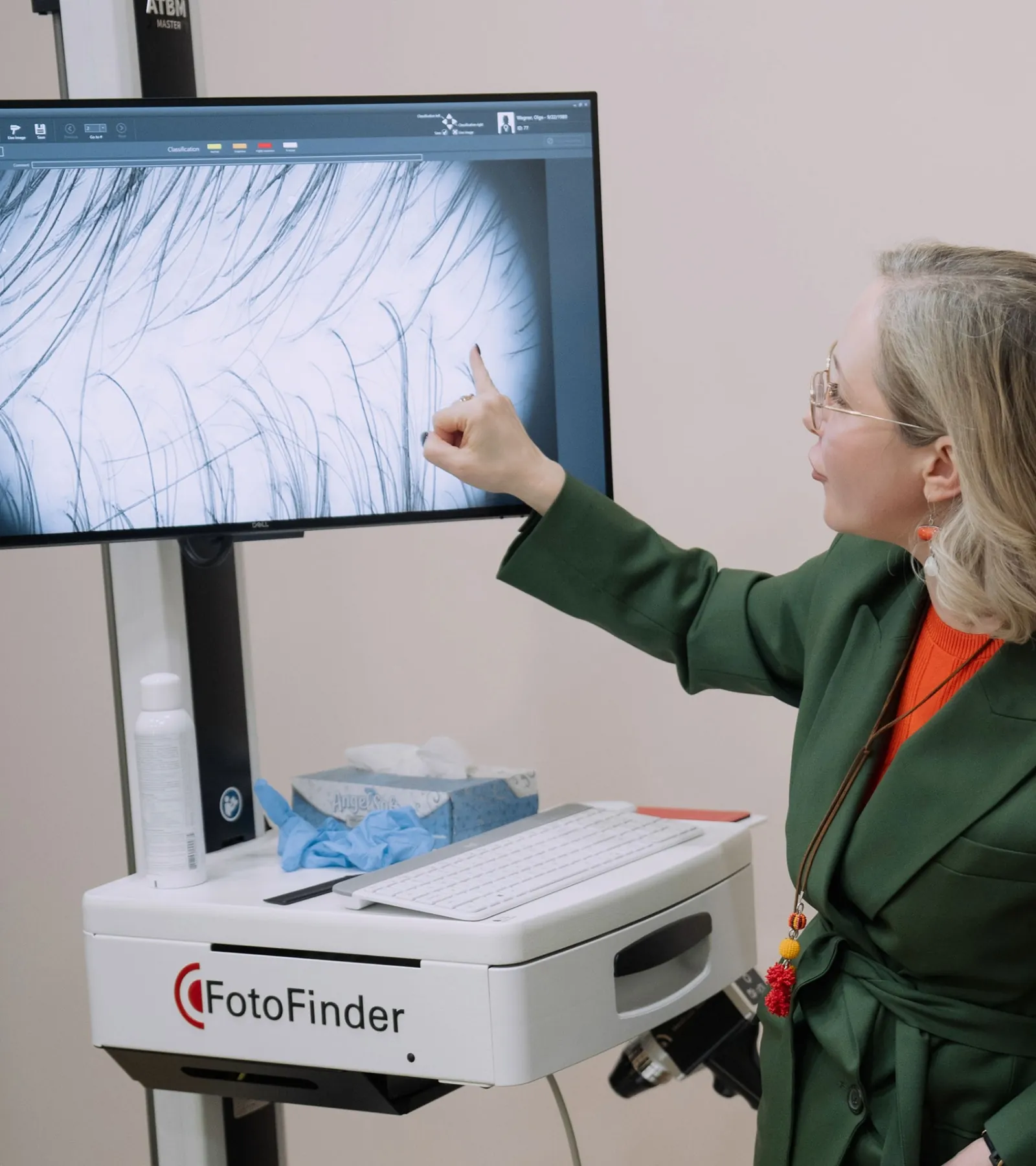
Dr. Viktoryia Kazlouskaya performing FotoFinder trichoscopy for hair transplant preparation in New York City
FotoFinder Trichoscopy Objective Hair & Scalp Assessment

Preparation: A Precise Diagnosis, Not an Assumption

The most consequential decisions in hair restoration are made before a single graft is placed. For patients pursuing the best possible outcome, this step is not optional.

01

Is it truly androgenetic alopecia, and is it stable, or still evolving?

Androgenetic alopecia (AGA) is the most common cause of pattern thinning, but its course is highly individual. In a patient whose hair loss is still actively progressing, transplant planning should look meaningfully different than it does for someone with a long-stable pattern. Understanding exactly where a patient sits in that trajectory shapes graft planning, anticipates future need, and determines whether medical therapy should be introduced before or alongside surgery.
02

Optimizing your response to treatment first.

When a patient responds well to medical therapy for AGA in advance of surgery, it often means fewer grafts are required to achieve an excellent result, and it protects the native hair surrounding the transplanted area. This is especially relevant for younger patients, whose pattern of loss is more likely to continue evolving in the years ahead. Optimizing treatment response beforehand is one of the most effective ways to safeguard a transplant investment before it is even made.

03

Excluding any competing diagnosis.

Not every case of thinning is straightforward AGA. Scarring alopecia, such as lichen planopilaris or frontal fibrosing alopecia and other inflammatory scalp conditions can closely mimic or coexist with pattern hair loss, and if left unaddressed, can compromise the outcome of a transplant. Where the clinical picture warrants it, a scalp biopsy can be performed and interpreted by Dr. Kazlouskaya herself, a distinct advantage of working with a physician who is also a board-certified dermatopathologist, to confirm the diagnosis with certainty before proceeding.

04

Discerning surgical planning, wherever you choose to have surgery.

Choosing a surgeon is one of the most consequential decisions in this entire process, and we're glad to help, whether that means finding the right surgeon here in New York, or advising on a highly regarded surgeon abroad.

Our preference, when it fits what a patient is looking for, is a New York-based surgeon: it allows for closer collaboration between surgeon and dermatologist throughout the process, easier in-person follow-up if any concerns arise, and generally a safer, more coordinated experience overall.

That said, many patients do choose to have surgery internationally, and we support that path just as fully, discussing surgeon reputation and technique, and providing baseline measurements, standardized photography, and digital trichoscopic documentation here in New York before you travel, paired with an informed consultation whether with your chosen surgeon or with us, before or after the procedure.

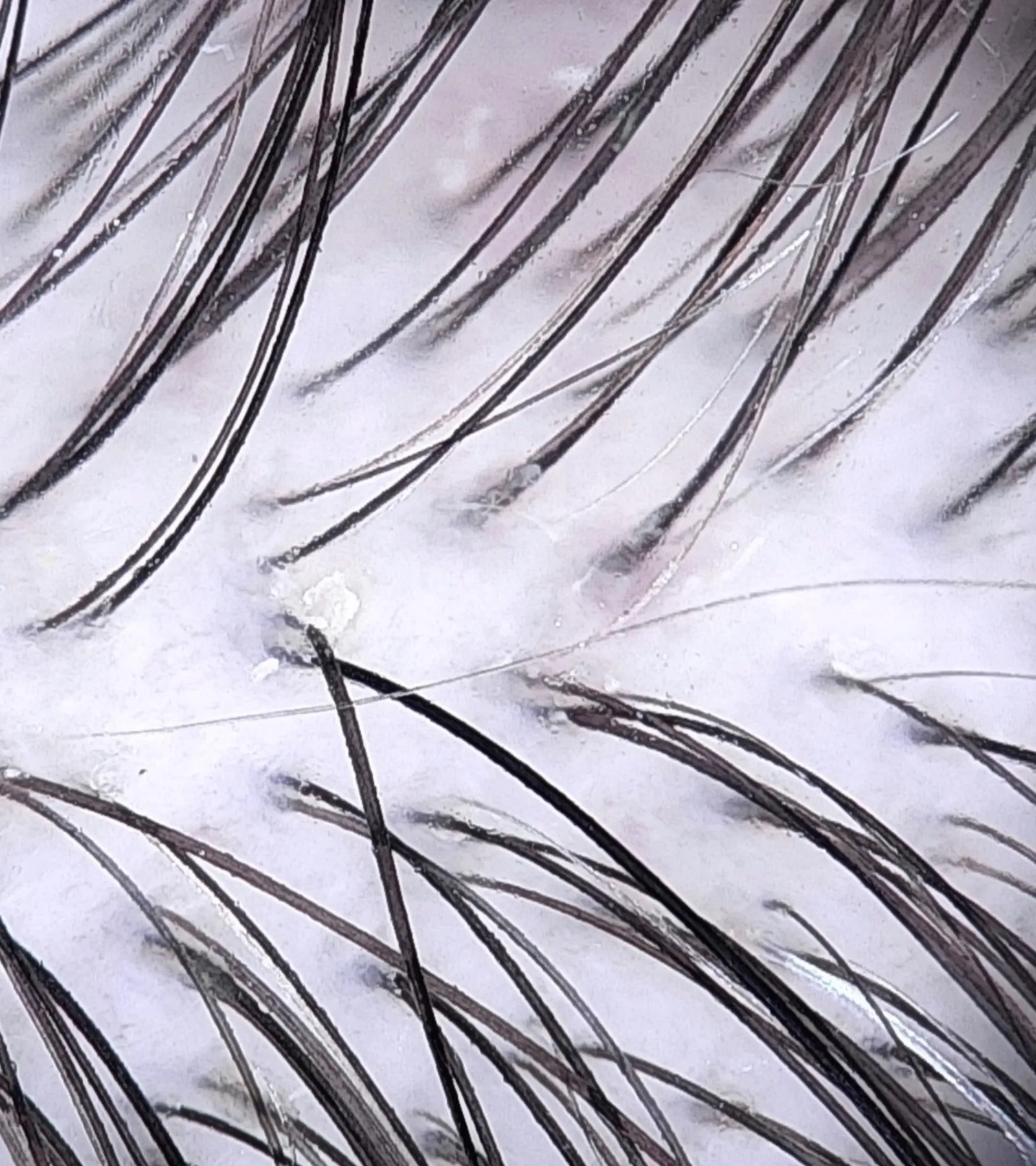
Digital trichoscopy and scalp analysis before hair transplantation
Baseline Documentation Trichoscopy Before Hair Transplant Surgery

Maintenance & Optimization: Safeguarding the Result

Surgery places the grafts. What happens medically in the months and years that follow is often what determines whether that result endures, and it is precisely here that most patients receive the least guidance.

01

Distinguishing signal from noise.

Early shedding, temporary shock loss, and genuine ongoing thinning can appear remarkably similar in the first several months, and are notoriously difficult to tell apart by eye. We use trichoscopy and AI assisted scalp analysis and standardized digital imaging with the FotoFinder system to document, with precision, whether density is genuinely changing over time, and whether it involves the transplanted area, the surrounding native hair, or both.

02

Physician-directed medical management.

If native, non-transplanted hair continues to miniaturize from ongoing AGA, targeted medical therapy can slow that progression and protect the follicles that were never transplanted. The grafts themselves can be entirely healthy while surrounding hair continues to thin. This is one of the most common, and most avoidable, reasons a beautiful early result appears less impressive years later. For a detailed explanation, see our blog: Hair Still Thinning After a Hair Transplant? Here's What to Check.

03

Identifying any other process at work, including telogen effluvium, inflammatory scalp conditions, or scarring alopecia, when the pattern of loss does not fit typical AGA. Persistent redness, scaling, burning, or patchy loss deserves prompt evaluation rather than being assumed to be routine healing.

04

Meticulous aftercare, from the earliest weeks.

We guide patients through precise scalp care, the appropriate timing for resuming activity, and exactly when it is appropriate and safe to introduce medical therapy or regenerative adjuncts without compromising graft healing.

05

A monitoring plan built around you.

Hair restoration does not end when the grafts take. We establish a surveillance schedule calibrated to each patient's individual risk of continued thinning, closer follow-up for younger patients with active AGA, a lighter touch for those with a long-stable pattern.

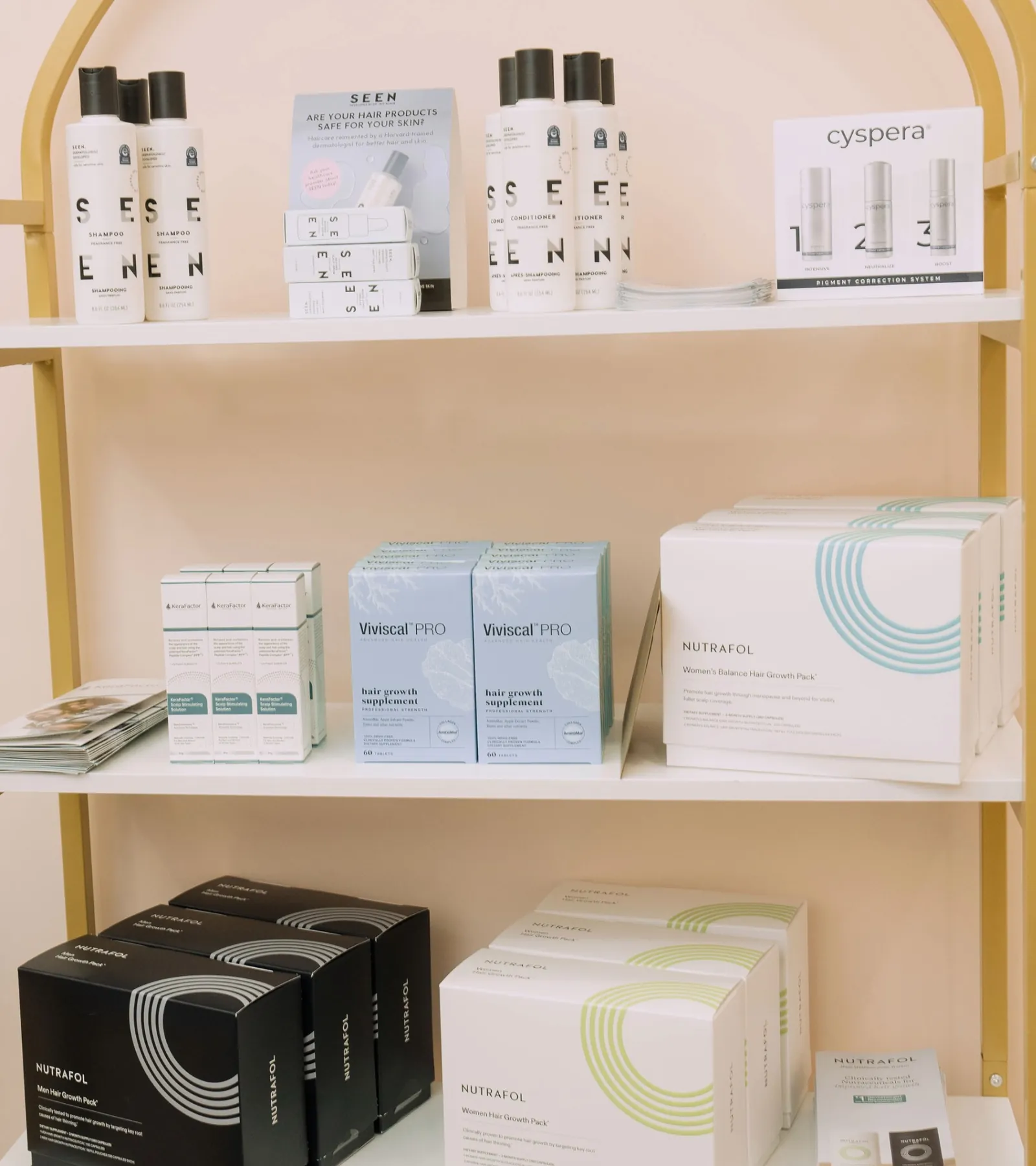
Hair loss products as part of physician-directed post hair transplant maintenance

Regenerative Adjuncts: PRP, Exosomes, and Laser Therapy

For patients who want access to every evidence-supported advantage, regenerative treatments are increasingly used alongside hair transplantation, both to support graft survival during the procedure itself, and to reinforce results in the months and years that follow. The strength of evidence differs meaningfully between treatments, and between their pre- and post-transplant applications. We discuss with every patient what the research actually demonstrates, not simply what is marketed.

01

Platelet-Rich Plasma (PRP)

PRP carries the most established evidence, including genuine randomized controlled trial data specific to hair transplantation.

Intraoperative use. PRP is used as a graft-preservation medium during the hair transplant procedure itself, and injected into the recipient area at the time grafts are placed.

Post-transplant use: where our focus lies. In a randomized study of patients undergoing FUE for scarring alopecia, PRP was injected before surgery and then monthly for three months afterward, with follow-up density and follicular survival assessed at three, six, and twelve months, an approach that reflects how post-transplant PRP is actually delivered in practice: as a structured series of sessions during the recovery window, not a single treatment. More broadly, a 2025 systematic review of controlled trials found that PRP used as an adjunct to transplantation was consistently associated with improved density, enhanced follicle survival, and earlier initiation of visible growth.

In clinical practice, post-transplant PRP is most commonly delivered as an initial series of three to four sessions, generally beginning several weeks after surgery once the scalp has settled, followed by periodic maintenance sessions thereafter. We tailor this schedule to each patient's healing, diagnosis, and degree of ongoing native hair loss risk, rather than applying a fixed protocol to everyone.

02

Exosomes

Exosome therapy is newer, mechanistically compelling, and considerably earlier in its clinical evidence base than PRP, an area of legitimate scientific interest that deserves an honest accounting.

What they are.

Exosomes are small extracellular vesicles released by cells, carrying proteins, growth factors, and genetic signaling material. They are thought to support new blood vessel formation around follicles, encourage hair to enter its growth phase, and modulate scalp inflammation.

Post-transplant use.

Exosomes are sometimes applied topically after surgery, occasionally paired with microneedling or laser-assisted delivery to enhance penetration, with the aim of reducing post-surgical inflammation and supporting a more favorable healing environment. Current systematic reviews describe this evidence as promising, but still early. We believe our patients deserve this distinction stated plainly: exosome therapy is a serious area of active research, not yet a proven standard of care in the way PRP increasingly is, and we will tell you exactly where the evidence stands before recommending it.

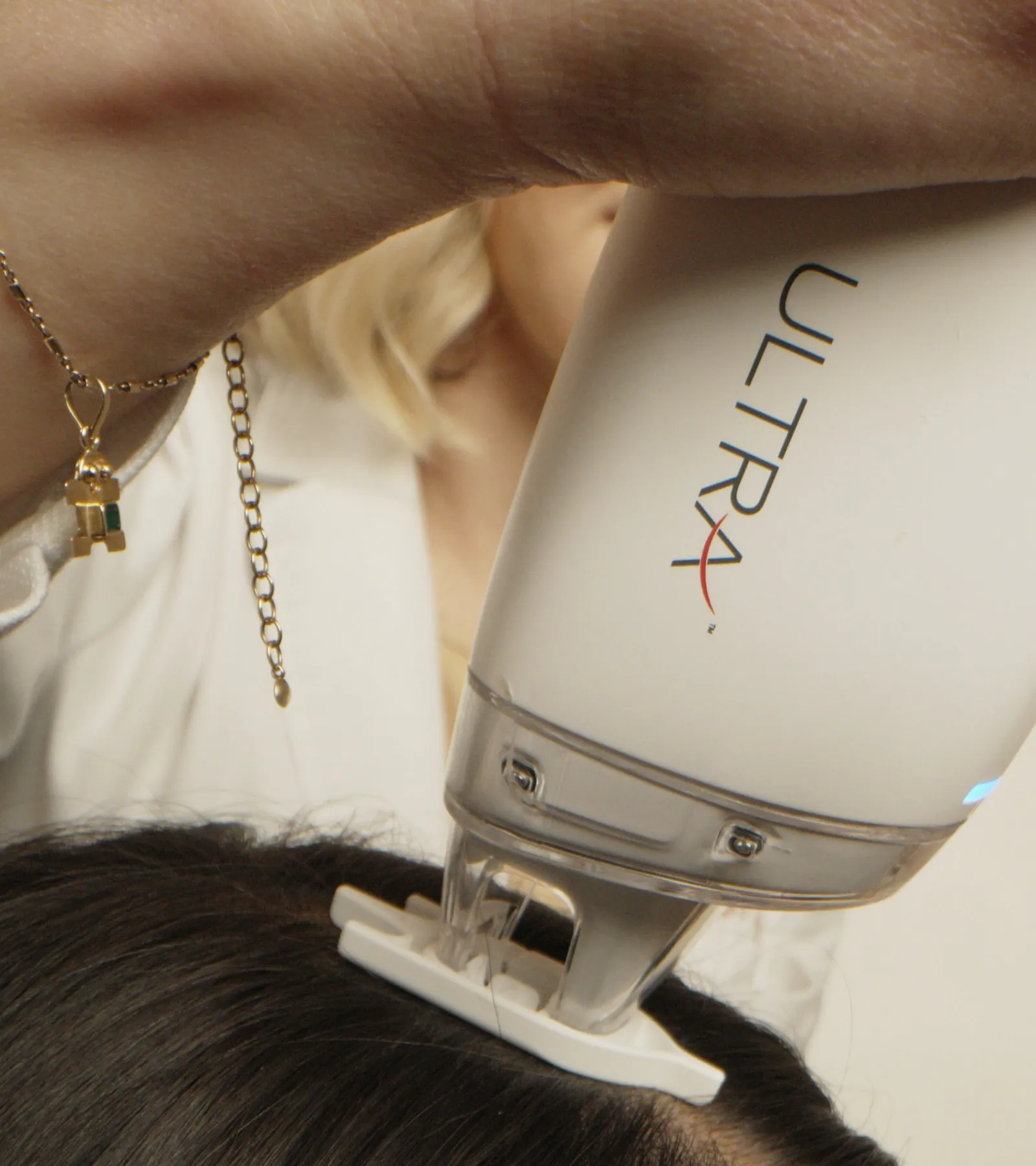
Ultra laser treatment used in physician-led hair restoration care
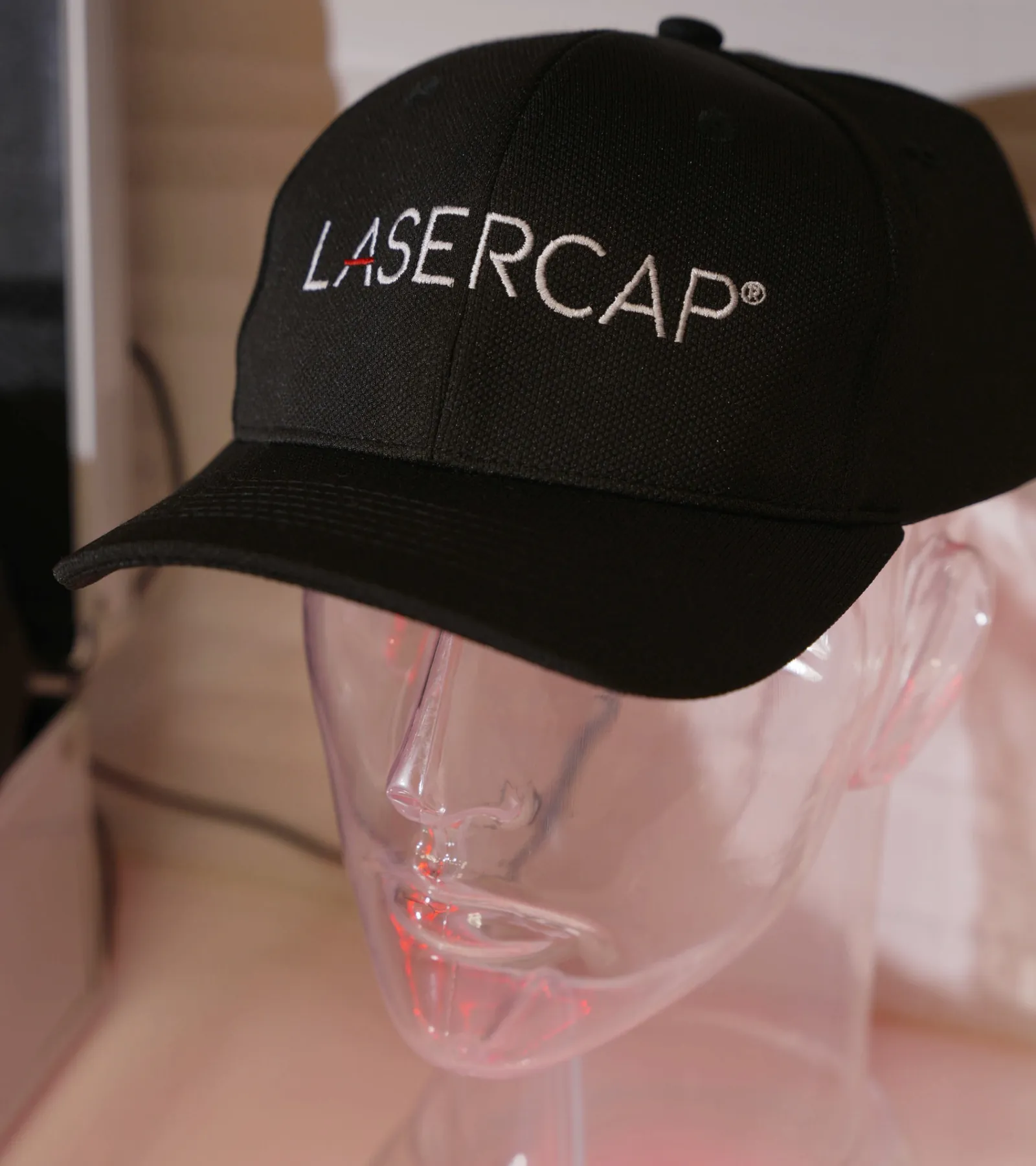
LaserCap low-level laser therapy for hair loss
03

Low-Level Laser Therapy (LLLT)

LLLT, also known as photobiomodulation, is FDA-cleared for hair loss generally and carries a longer overall research history than exosome therapy, though transplant-specific data remains more limited than the broader AGA literature.

Post-transplant use is where LLLT is most often considered in the transplant context. The proposed mechanism involves light energy absorbed by mitochondria within follicle cells, increasing cellular energy production and supporting tissue repair, blood flow, and an anti-inflammatory effect during the critical early healing window. Existing research suggests a potential role for LLLT in supporting graft viability and encouraging earlier regrowth when initiated in the immediate post-operative period, though further research is needed to establish optimal treatment parameters.

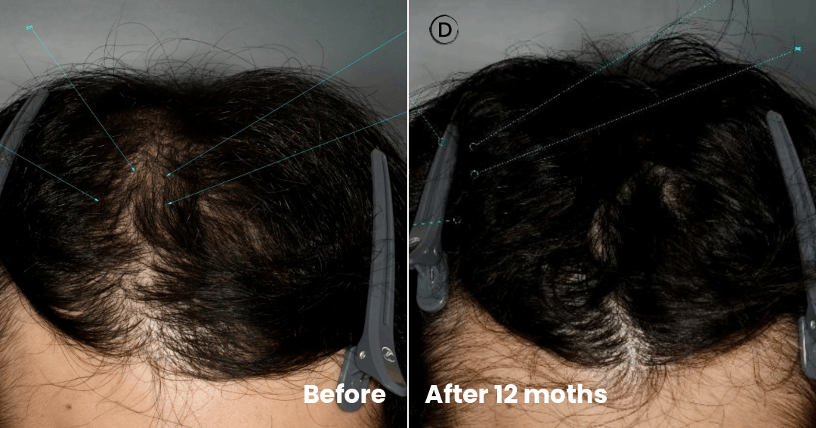
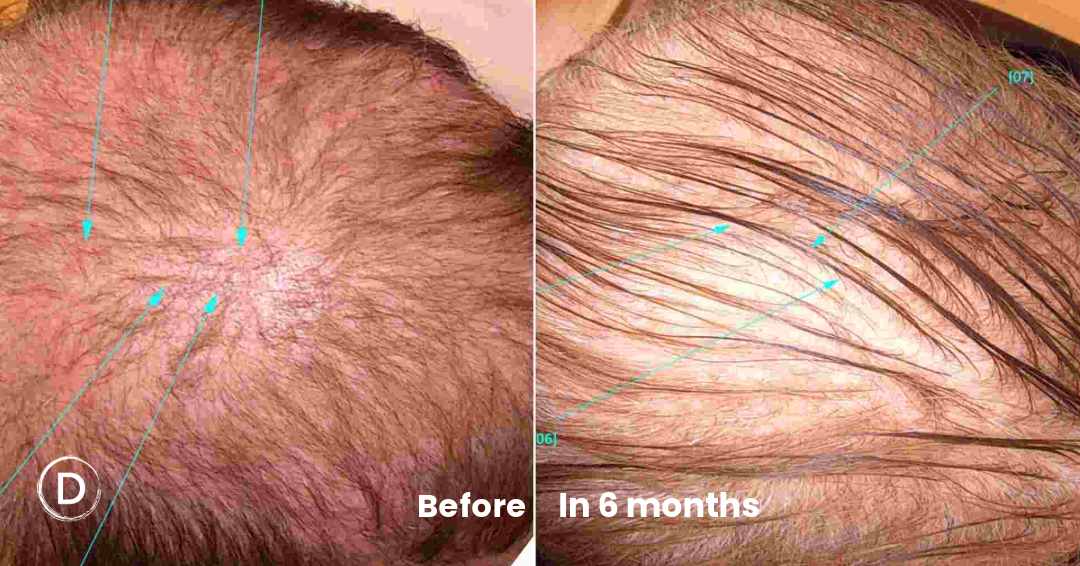
Real Patient Results

Hair Transplant Clinical Cases

Hair Transplant FAQ

Frequently Asked Questions

Do I really need to see a dermatologist before a hair transplant, if my surgeon hasn't recommended it?

Most surgical practices are, understandably, focused on the procedure itself. A pre-transplant medical evaluation adds a distinct layer: confirming the diagnosis and its trajectory, excluding an inflammatory or scarring process that could compromise your result, and identifying whether optimizing treatment beforehand could reduce how much surgery you ultimately need. For patients who want the best possible outcome, this step is worth the additional care.

I'm planning surgery abroad with a specific surgeon. Can you still be involved?

Yes. We frequently support patients pursuing surgery internationally. We can perform precise baseline measurements, standardized photography, and digital trichoscopy here in New York before you travel, and provide an independent, physician-led consultation regardless of where the procedure itself takes place.

Why does my hair still appear to be thinning, months after a successful transplant?

This deserves a complete answer, see our blog, Hair Still Thinning After a Hair Transplant? Here's What to Check. In brief: the transplanted grafts can be entirely healthy while surrounding native hair continues to miniaturize from ongoing androgenetic alopecia — a distinct problem from graft failure, and one that calls for medical rather than surgical attention.

Is PRP worth pursuing after a transplant, or is it simply well-marketed?

Of the regenerative options we discuss, post-transplant PRP has the most substantive evidence specific to the recovery period itself. Studies using a post-operative series of injections have shown improved density and follicular survival at three, six, and twelve months, and there's a longer-term argument as well: research following transplant patients over four years found that most experienced some decline in transplanted-area density without ongoing management, with fewer than one in ten maintaining stable density on the transplant alone. Post-transplant PRP, delivered as a structured series and followed by periodic maintenance, is one of the more evidence-supported ways to protect that density over time.

Should I consider exosome therapy?

It is a genuinely promising area of research, but the human clinical evidence remains early. We will always tell you precisely where the science currently stands, rather than presenting an emerging therapy as an established one.

Will I need a scalp biopsy before my transplant?

Not routinely. Most patients with straightforward androgenetic alopecia do not require one. A biopsy becomes valuable when there is genuine diagnostic uncertainty: unexplained or progressive loss, an unusual pattern, persistent scalp symptoms, or findings suggestive of an inflammatory or scarring alopecia rather than typical pattern hair loss. When performed, Dr. Kazlouskaya's dual training as a dermatologist and dermatopathologist means the same physician who examines you can also interpret the tissue.

Who should I contact first if something feels wrong: my surgeon, or a dermatologist?

Your surgeon is the appropriate first contact for anything related directly to the procedure: graft placement, donor-site healing, wound care, or concerns about the expected surgical timeline. A dermatologist becomes essential when the question shifts from "how is my healing?" to "why is my hair still thinning?" For most of our patients, the ideal model is both, working in concert.

Dermatology Circle · Upper East Side

How We Help

From the first consultation through years of follow-up, our role is to bring medical precision to a process that is often left to the surgical side alone: confirming the right diagnosis before you commit to surgery, helping you evaluate and choose a surgeon, documenting your baseline with standardized photography and trichoscopy, and guiding recovery and long-term maintenance, including PRP and other evidence-based adjuncts, once the procedure is behind you. Throughout, we work in partnership with your surgeon rather than in place of them, each bringing a distinct expertise to the same goal: a result that lasts.

Dermatology Circle 801 Madison Avenue, 4th Floor
New York, NY 10065