
Volume
Subtle Volume & Fullness
Hyaluronic acid fillers add soft, natural-looking volume to enhance lip fullness while maintaining facial balance. Ideal for age-related volume loss or patients wanting a gentle boost.
Lip fillers have become one of the most sought-after cosmetic procedures for enhancing lip volume, shape, definition, and balance.
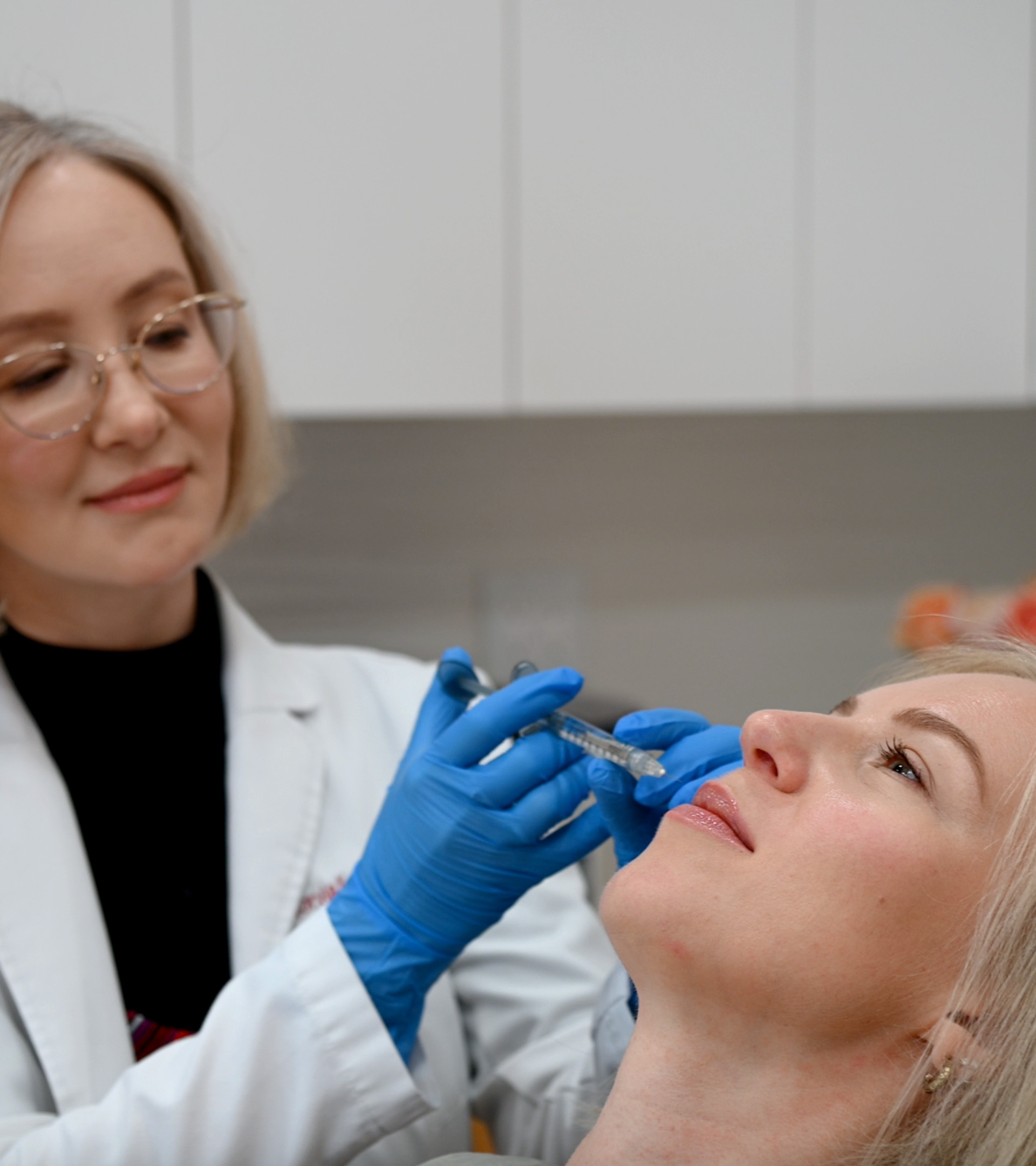
According to the American Society of Plastic Surgeons, over 2.6 million dermal filler procedures were performed in 2020 alone, with lip augmentation representing a significant portion of these treatments.
This trend has seen steady growth, reflecting a societal shift toward embracing non-surgical cosmetic enhancements.
Whether inspired by celebrities, social media trends, or a personal desire for fuller lips, more people are turning to lip fillers to enhance their appearance.
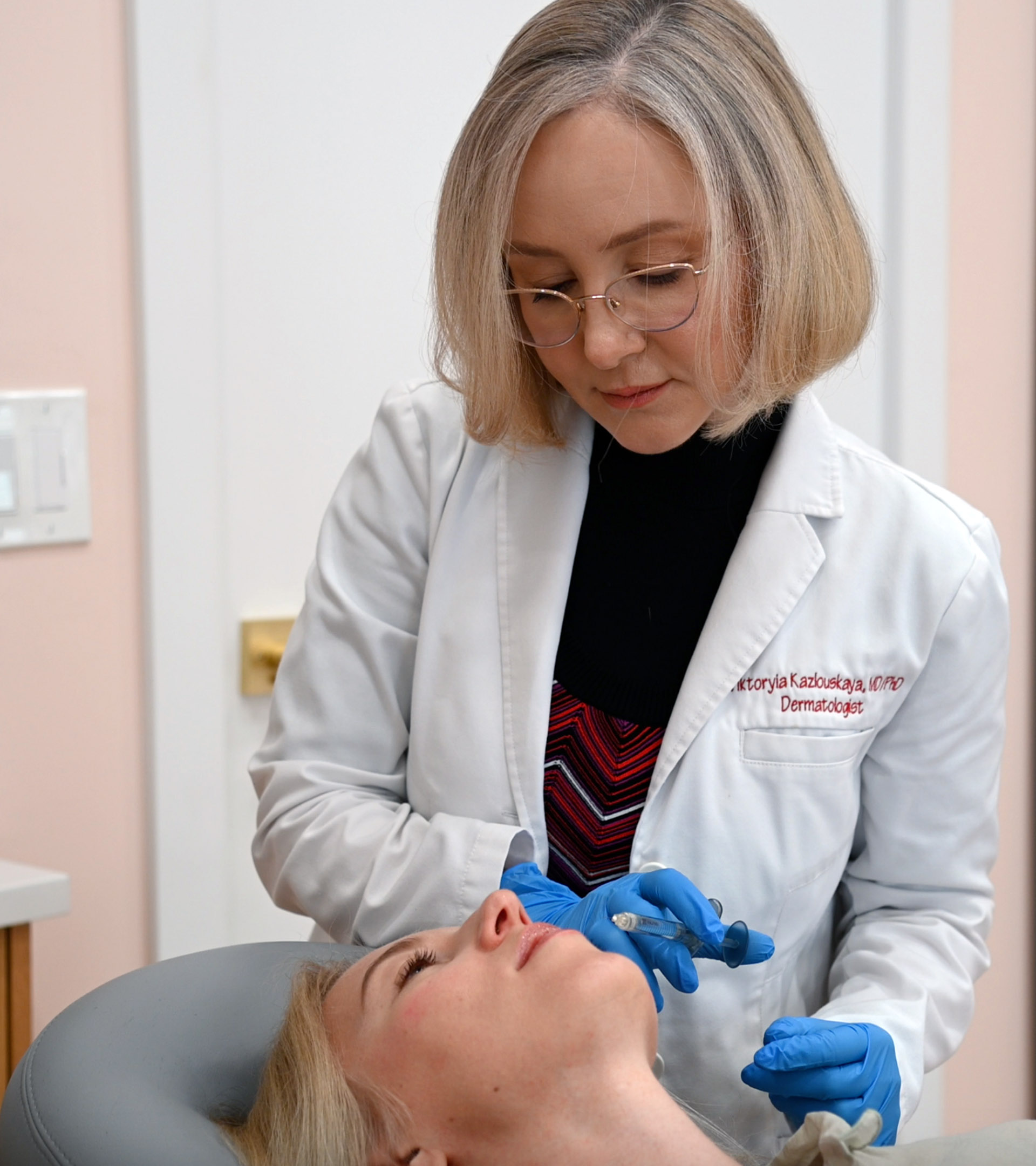
Lip fillers are injectable substances that add volume and shape to the lips.
The most common type of lip filler is made from hyaluronic acid, a naturally occurring substance in the body that helps maintain skin hydration and volume. When injected into the lips, hyaluronic acid gel provides immediate plumpness and shape, which can be tailored to each individual’s desired look.
Lip filler is a nonsurgical injectable procedure and does not require surgery. Results can last for several months to over a year, depending on the product, treatment approach, and individual patient factors.
Two of the most commonly used dermal fillers for lips are Juvederm and Restylane. Both of these products are made from hyaluronic acid and have specific formulations that are FDA-approved for lip augmentation.
For example, Juvederm Ultra XC and Juvederm Volbella XC are popular choices for lip enhancement. Restylane has similar options designed for subtle lip augmentation and smoothing out lines around the mouth. These fillers are chosen based on their ability to provide natural-looking results, as well as their proven safety and efficacy.
Your skin tells your story — let it reflect the very best version of you. Our team provides expert, personalized care designed to help you look and feel radiant at every age.
Lip filler can be used to enhance volume, definition, symmetry, texture, and selected aspects of lip shape.
Hyaluronic acid fillers add soft, natural-looking volume to enhance lip fullness while maintaining facial balance. Ideal for age-related volume loss or patients wanting a gentle boost.
Precisely placed filler can refine the vermilion border and define the Cupid’s bow for a crisper outline without overfilling.
Small, targeted amounts can correct mild asymmetries between the upper and lower lips or left/right sides for a more harmonious look.
Micro-droplet techniques can soften vertical lines around the mouth and slightly elevate the corners for a smoother, rested appearance.
Hyaluronic acid attracts water, improving lip softness and surface texture for a healthier, hydrated look.
Strategic contouring can accentuate the center fullness or add gentle lift—but always with the goal of enhancing your natural features, not creating a completely different shape.
For naturally thin lips, a staged approach (small amounts over one or more sessions) achieves believable, tissue-friendly improvement.
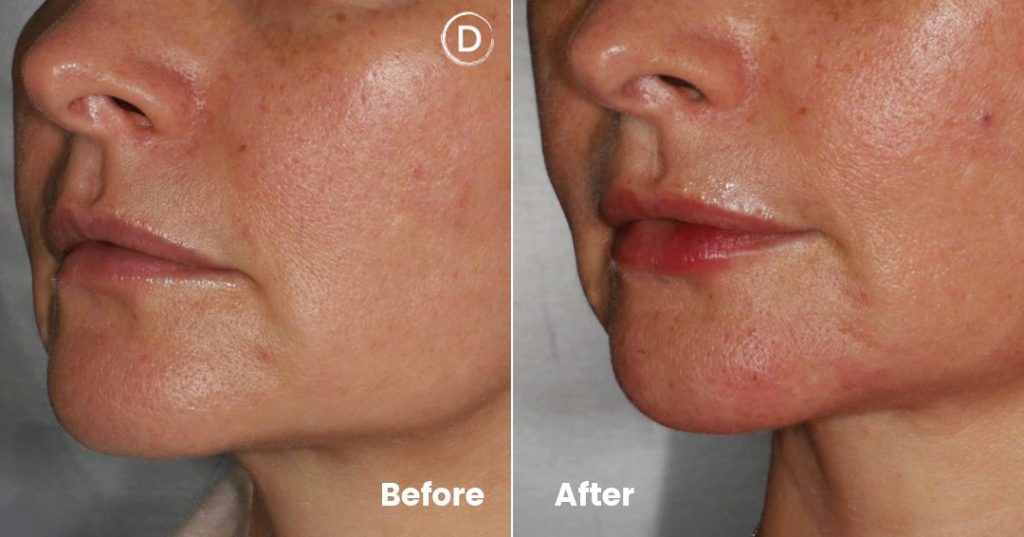 Real Patient · Lip Filler
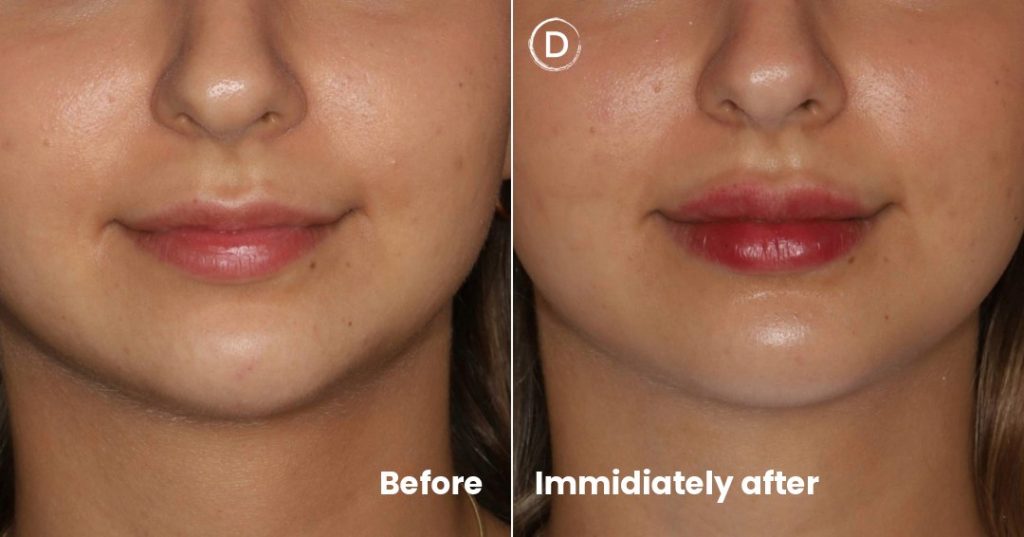 Real Patient · Lip Filler
Lip fillers have gained immense popularity for several reasons. Firstly, full lips are often associated with youth, beauty, and sensuality. Many people seek lip augmentation to boost their confidence and achieve a more attractive appearance.
Lip fillers offer a quick and relatively easy way to enhance the lips without undergoing surgery. For those looking to make subtle changes or to restore lost volume due to aging, lip fillers provide a customizable solution. The results are immediate, and with the right technique, the outcome can look natural, enhancing one’s overall facial harmony.
Lip filler is an elective procedure. However, it is important to remember that it involves injections. This means it is a medical procedure. As such, it should be performed by qualified medical professionals.
Typically, this includes dermatologists, plastic surgeons, nurse practitioners, and physician assistants who have received specialized training in cosmetic injections. Dermatologists and plastic surgeons are specialists in this area. They make sure the procedure is safe and effective. They also work to reduce risks and achieve the best possible results.
The longevity of dermal fillers can vary depending on several factors, including the specific product used, the patient’s metabolism, and the desired outcome. Generally, most lip fillers are designed to last around 6 to 12 months.
However, it’s important to note that the actual duration can vary from person to person. Some people may find that their fillers last longer, while others may require touch-ups sooner.
It’s not necessary to undergo lip filler treatments every year; instead, the decision to reapply should be based on how the lips look and feel over time.
Permanent filler materials exist, but we do not recommend them for lip augmentation. While the idea of a one-time procedure may seem appealing, permanent fillers can create long-term problems that are difficult or impossible to reverse. Hyaluronic acid fillers, by contrast, can be dissolved with hyaluronidase when clinically appropriate.
If you’re unhappy with the results of your lip filler, there is a solution. Hyaluronic acid fillers can be dissolved with an enzyme called hyaluronidase. This treatment breaks down the filler quickly, allowing you to reverse the effects of the procedure.
If you think your lips are too full or not the right shape, hyaluronidase can help. It can restore your natural look. It can also give you a fresh start to try a new style.
The amount of filler used in lip augmentation varies depending on baseline anatomy, previous filler, tissue capacity, and the desired outcome. Many lip treatments use approximately 0.5 to 1 mL, but there is no single correct amount for every patient.
For naturally thin lips, first-time treatment, or patients seeking a subtle result, a staged approach with smaller amounts can be preferable. More can always be added later if needed.
Lip fillers can slightly enhance and define the shape of the lips, but it’s important to approach this carefully. While it’s possible to make subtle changes, such as enhancing the cupid’s bow or adding more volume to the center of the lips, attempting to create a completely different lip shape can result in an unnatural appearance. The goal should always be to enhance your natural features rather than dramatically alter them.
There are various techniques for injecting lip fillers, each designed to achieve different outcomes. For example, the “Russian lips” technique aims to create a heart-shaped, doll-like appearance. However, it’s crucial to recognize that not all techniques suit every face.
A skilled professional will assess your facial structure and tailor the injection technique to complement your unique features. We use different techniques and change them to suit you best. This ensures a personalized and natural-looking result.
Yes, lip filler can be done for thin lips, but the enhancement should be gradual. Injecting a small amount of filler over a few sessions allows for a more natural and proportionate result. This approach prevents the lips from looking overly filled or artificial, and it gives the tissue time to adjust to the added volume.
The process of getting lip fillers does involve injections, which can cause some discomfort. However, a topical numbing cream is typically applied before the procedure to minimize pain. Most patients describe the sensation as a slight pinch or pressure rather than outright pain. The procedure is also quick, usually taking only about 30 minutes, which helps minimize discomfort.
After receiving lip fillers, it’s important to follow proper aftercare to ensure the best results and minimize side effects. You should avoid drinking alcohol for at least 24 hours, as it can increase the risk of bruising. It’s also advisable to avoid strenuous exercise, excessive sun or heat exposure, and any activities that put pressure on the lips for the first few days. Drinking plenty of water and keeping the lips moisturized can help with the healing process.
Like any cosmetic procedure, lip fillers can cause side effects. Common temporary effects include swelling, bruising, tenderness, firmness, or small lumps at the injection site. Allergic reactions are very rare.
More serious complications are uncommon but can include infection or vascular occlusion, which may injure the skin and requires prompt recognition and treatment. Choosing a qualified medical professional helps reduce risk and ensures appropriate management if a complication occurs.
The healing process after lip fillers typically takes about two weeks. During the first few days, your lips may be swollen, and the final results may not be immediately apparent. It’s normal for the lips to feel firm or lumpy initially, but this should resolve as the filler settles. Most people find that their lips look and feel normal within two weeks, with the final result being a smooth and natural enhancement.
Lip filler is not a solution for every cosmetic concern. If you have a long philtrum, which is the area between your upper lip and nose, it can make you look older. A lip lift surgery might be a good option for you.
If you have a “gummy smile,” you can see too much gum when you smile. Botox injections can help relax the upper lip. Lip fillers alone will not address these issues.
The cost of lip filler varies based on the product used, the amount required, the treatment plan, and the experience of the treating clinician.
In New York City, lip filler treatments commonly range from approximately $750 to $1,500 per syringe. The total cost depends on the product and the amount needed to achieve the treatment goal.
Reveal the beauty of healthy skin with treatments tailored to you. Dr. Kazlouskaya and her team combine medical expertise with artistry to deliver natural, timeless results.