
From Your Own Blood
A small blood sample is collected during the appointment.
An autologous, injectable treatment that uses platelet-rich plasma prepared from your own blood to support selected types of hair loss.
PRP is prepared from a small blood sample, concentrated in-office and injected into areas of thinning hair.
At Dermatology Circle, PRP is recommended after evaluating the cause, pattern and stage of hair loss — not simply because thinning is visible.
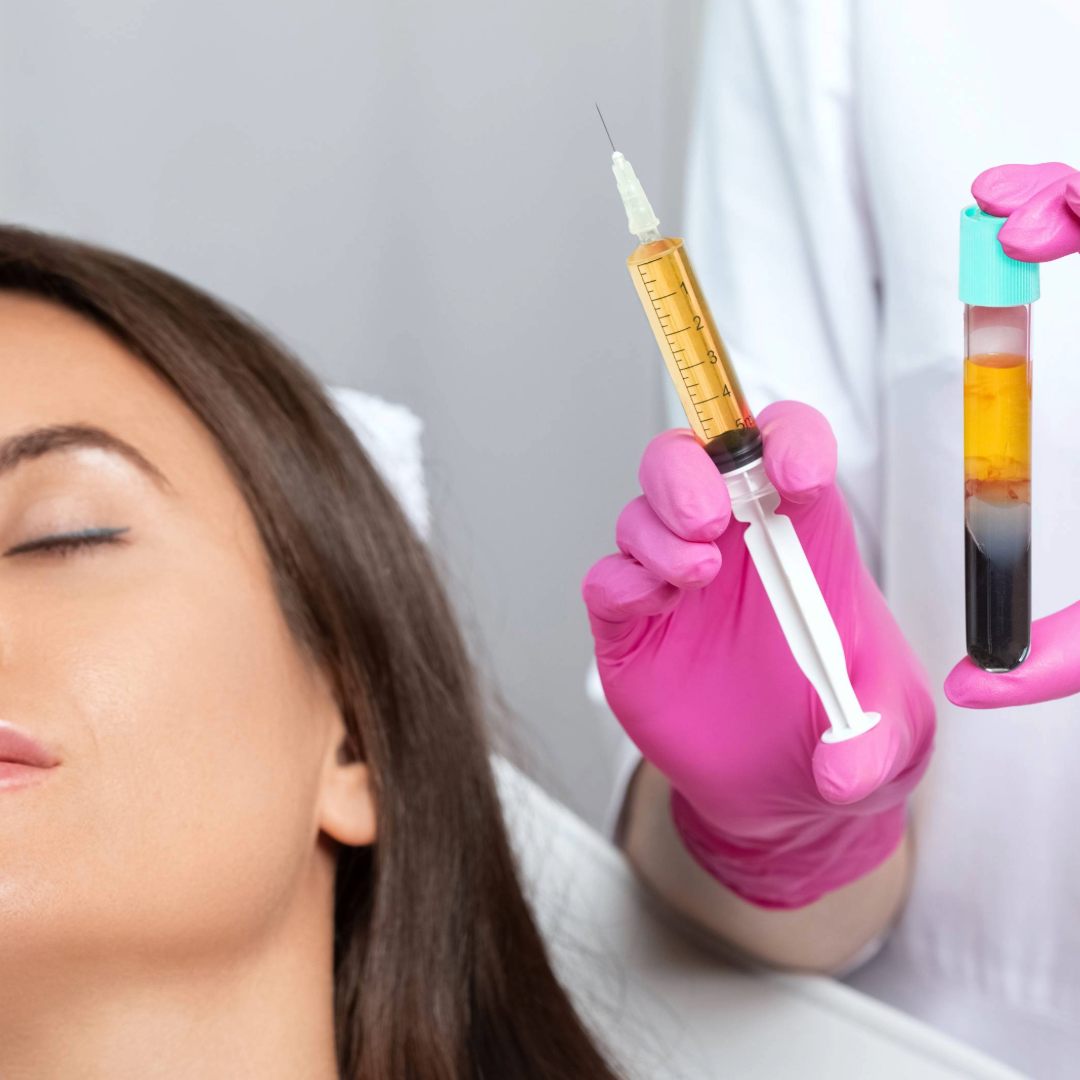
PRP stands for platelet-rich plasma — a concentrated portion of plasma prepared from a patient's own blood.
It contains platelets and signaling proteins and is injected into selected areas of the scalp as an adjunctive regenerative treatment.
A small blood sample is collected during the appointment.
The sample is processed to isolate the platelet-rich plasma fraction.
PRP is injected into selected areas based on the pattern of thinning.
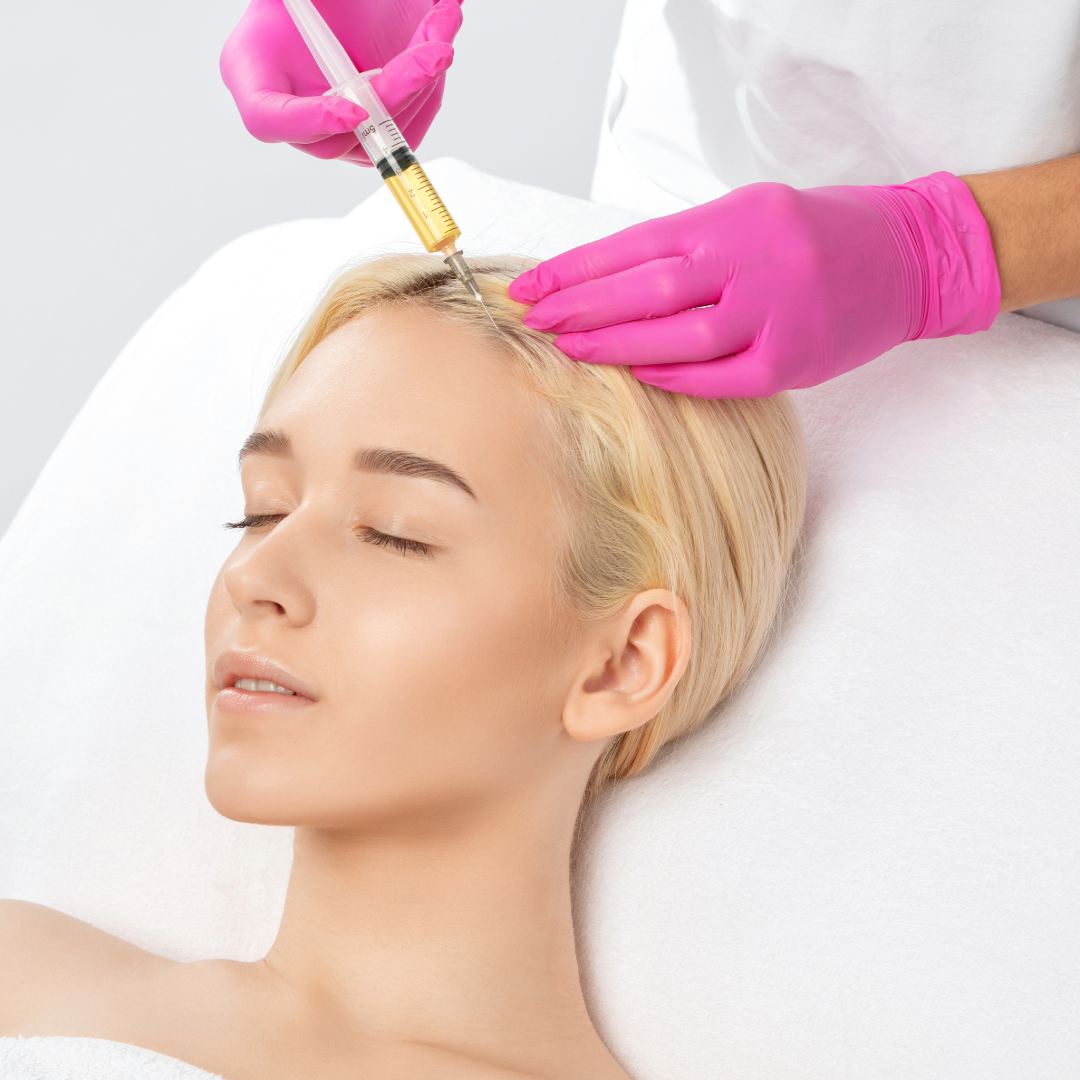
The procedure begins with a blood draw and ends with targeted injections into areas of hair thinning.
A small blood sample is collected during the visit.
The sample is processed to separate its blood components.
The platelet-rich portion is isolated for treatment.
The prepared PRP is injected across selected treatment areas.
PRP is not equally appropriate for every type or stage of hair loss.
The strongest rationale is generally in patients who still have viable follicles and a diagnosis that may respond to regenerative support.
Men and women with androgenetic alopecia are among the most common patients considered for PRP.
Androgenetic alopeciaPRP is more logically considered while miniaturized follicles remain present.
PRP can complement established medical therapy when additional regenerative treatment is appropriate.
The cause of active shedding should be evaluated before PRP is considered.
Telogen effluviumActive inflammatory disease requires control of the underlying process first. PRP should not replace treatment intended to stop follicular inflammation.
PRP has been studied most extensively in androgenetic alopecia.
Clinical trials and systematic reviews suggest that selected patients may experience improvement in hair density, although protocols and outcomes vary considerably.
The best-established use of PRP in hair restoration is as an adjunct for androgenetic alopecia.
Studies have reported increases in visible hair density in some treated patients.
PRP systems, platelet concentrations, injection techniques and intervals differ between studies.
Diagnosis, stage of disease, concurrent therapy and individual biology influence the result.
Pattern hair loss is chronic and progressive. PRP does not change that underlying biology.
Depending on the diagnosis, PRP may be combined with medical therapy, low-level light therapy or other regenerative approaches.
Explore hair-loss treatmentsPRP is performed in the office and involves both a blood draw and a series of scalp injections.
Medical history, medications and treatment areas are reviewed.
Blood is collected and processed immediately before treatment.
PRP is injected across selected areas of thinning.
Temporary tenderness, redness, swelling or mild bruising may occur, but significant downtime is usually not expected.
Hair-loss care at Dermatology Circle is often multimodal rather than based on one procedure alone.
Individual results vary. Photographs should not be interpreted as a guarantee of response to PRP.

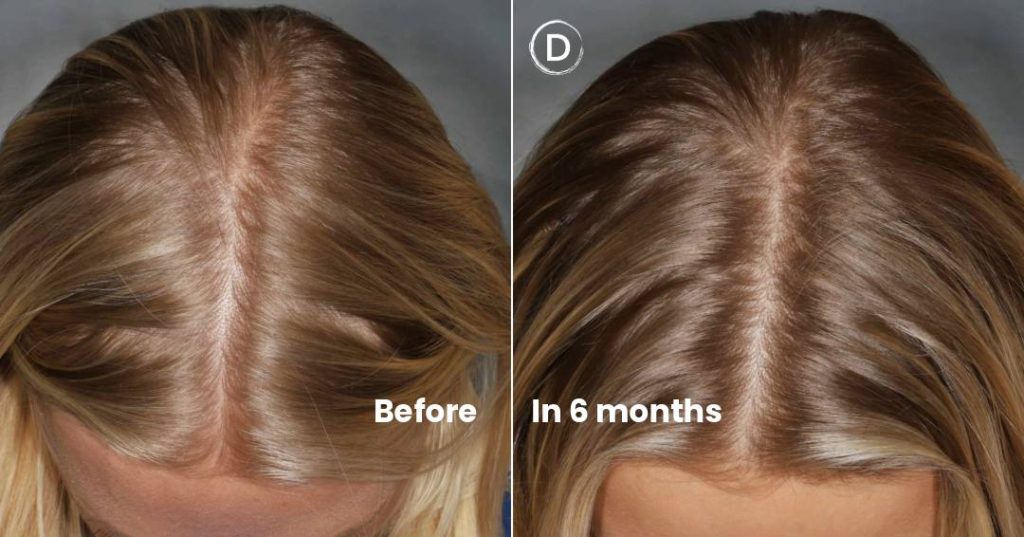
Treatment plans may include prescription medication, PRP or other therapies. Results represent individual patients and response varies.
View more hair-loss results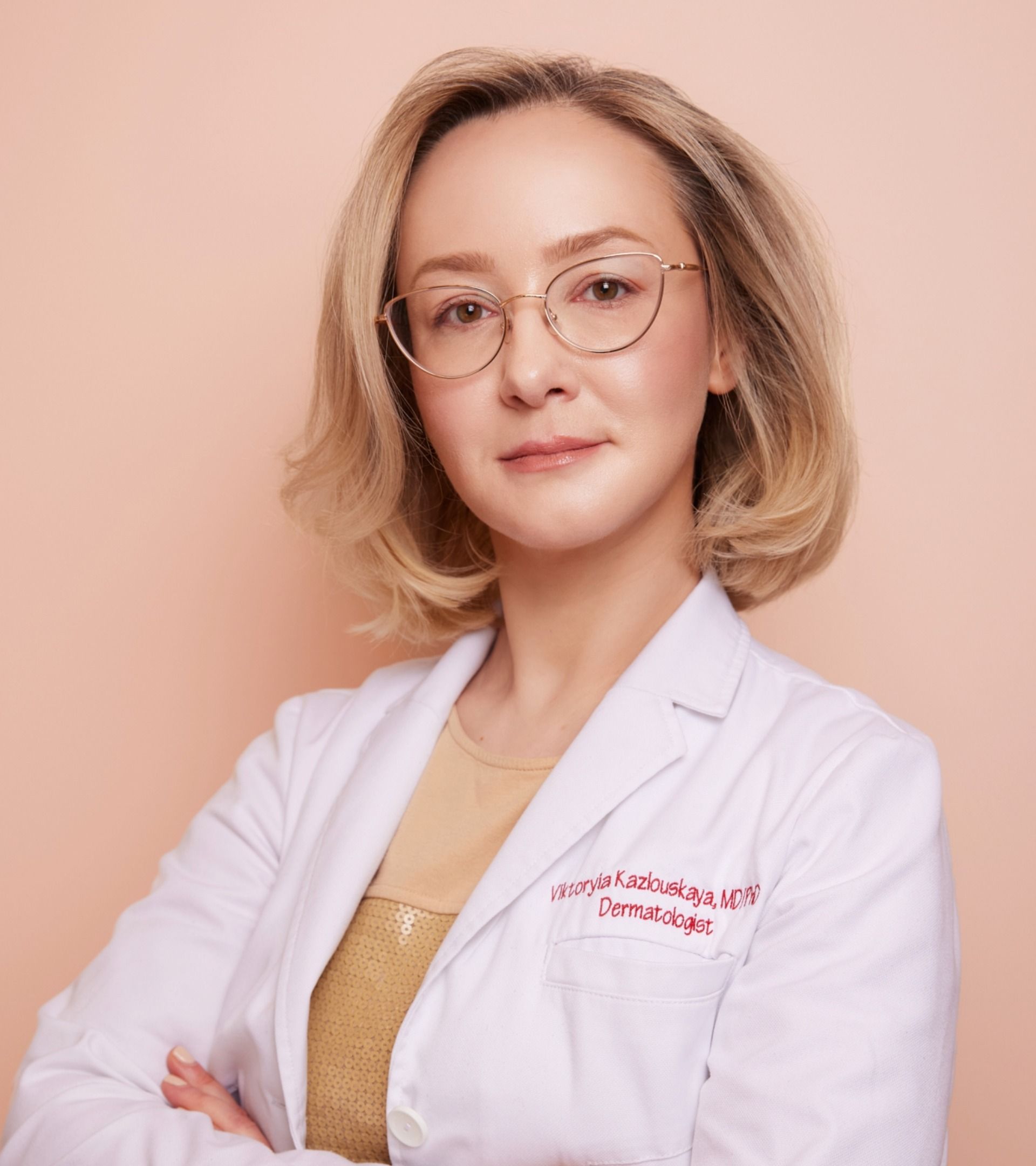
The value of PRP begins before the first injection is performed.
Dr. Viktoryia Kazlouskaya evaluates the hair and scalp to determine why thinning is occurring and whether PRP has a reasonable role in the treatment plan.
This diagnostic approach is particularly important when hair loss is progressing, shedding is active, scalp symptoms are present or the clinical pattern is not straightforward.
Medical diagnosis and treatment of hair and scalp disorders
Additional diagnostic perspective when scalp biopsy is required
Trichoscopy, medical therapy and regenerative treatments
Candidacy, preparation and treatment schedules vary. These answers provide general guidance, not individual medical instructions.
Schedule an evaluationPlatelet-rich plasma is prepared from a patient's own blood. After processing, the platelet-rich portion is injected into selected areas of thinning as a regenerative adjunct.
Clinical studies support PRP as a reasonable treatment option for selected patients with androgenetic alopecia. Response and treatment protocols vary.
Yes. Women with female pattern hair loss may be candidates, particularly when viable miniaturized follicles remain.
These are different treatments rather than direct substitutes. Selected patients may use both as part of an individualized plan.
Patients usually feel a series of small injections, pressure or temporary scalp tenderness.
Temporary tenderness, redness, swelling, bruising or scalp sensitivity can occur after treatment.
A common initial course may include approximately three to six sessions separated by several weeks. The exact schedule is individualized.
Hair grows slowly, so meaningful assessment generally occurs over several months.
Yes. Depending on the diagnosis, PRP may be combined with medical therapy, low-level light therapy or other regenerative treatments.
Tell your dermatologist about prescription medications, aspirin, NSAIDs, anticoagulants and supplements before treatment. Do not stop prescribed medication unless the prescribing clinician advises it is safe.
Active scalp infection, significant blood or platelet disorders, anticoagulation and certain medical conditions may affect whether or when treatment is appropriate.
A dermatologist-led hair-loss evaluation can help determine whether PRP should be part of your treatment plan and what other therapies may be appropriate.