
Wrinkles
Microneedling can help soften the appearance of fine lines and selected wrinkles, making skin look smoother over time.
Microneedling is a cosmetic treatment that uses small needles to refresh the skin by creating controlled microchannels. Collagen induction therapy (CIT) is another name for it. The treatment stimulates the skin’s natural remodeling response, helping improve texture, selected acne scars, fine lines, and overall skin quality.
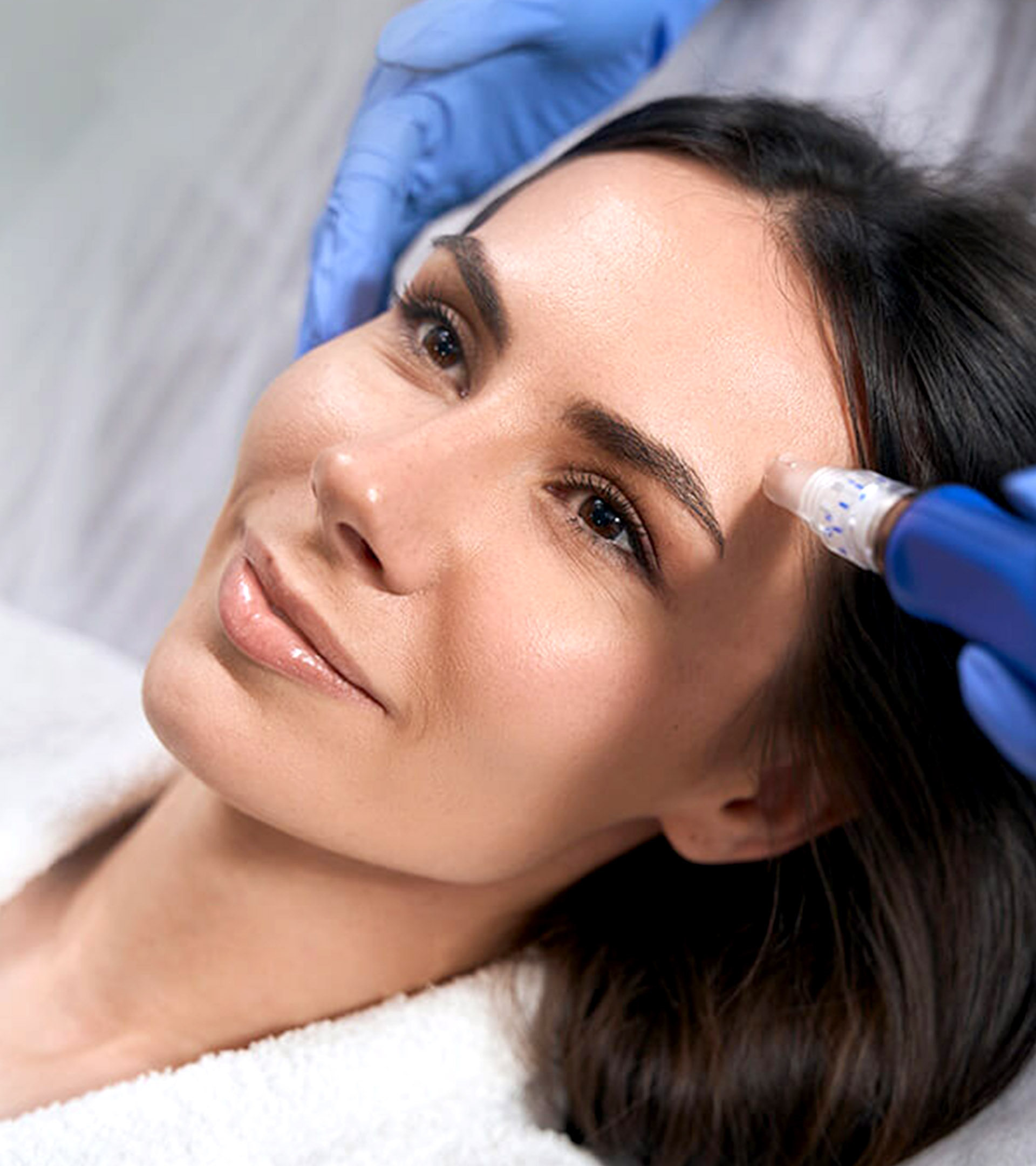
At Dermatology Circle, microneedling is selected as part of an individualized treatment plan rather than as a one-size-fits-all procedure. The indication, skin tone, treatment depth, downtime tolerance, and whether another modality may work better are considered before treatment.
Microneedling works by creating tiny channels in the skin, leading to stimulation of the skin’s natural repair and collagen-remodeling response.
Collagen is a vital structural protein responsible for skin strength and elasticity. Skin needling creates controlled microinjury that triggers signaling involved in tissue repair and collagen formation. Over time, this remodeling can help the skin appear smoother, firmer, and more even in texture.
Microneedling also influences local growth factors and inflammatory signaling. The goal is not to injure the skin aggressively, but to create a controlled stimulus that encourages gradual remodeling.
Despite the multitude of available treatments, microneedling remains highly popular for good reasons. While it does not produce an instant resurfacing result, it offers several practical advantages.
One key benefit is that traditional microneedling is non-ablative, meaning it does not remove the top layer of skin. The controlled microinjury stimulates growth factors and collagen remodeling without the more intensive recovery associated with ablative resurfacing.
RF microneedling, or radiofrequency microneedling, has also become popular, but it is important to recognize that these are different procedures. Traditional microneedling does not add radiofrequency heat, which can be an advantage when a simpler, non-thermal collagen-induction approach is preferred.
Our team provides expert, personalized care designed to help you look and feel radiant at every age.
Dermatology Circle · NYC Schedule Your ConsultationMicroneedling is most useful when the concern is one that can reasonably respond to gradual collagen remodeling. Not every discoloration, scar, wrinkle, or acne concern should be treated with the same procedure.
Microneedling can help soften the appearance of fine lines and selected wrinkles, making skin look smoother over time.
For selected pigment concerns, collagen induction therapy may be incorporated into a broader treatment plan to improve overall tone and texture.
Selected areas of uneven or lighter pigmentation require proper diagnosis first. Microneedling may be considered in specific cases rather than used as a universal treatment for hypopigmentation.
By improving surrounding skin texture and collagen support, microneedling may make enlarged pores appear less noticeable.
Microneedling can be used to remodel selected stretch marks and make their texture less noticeable over a series of treatments.
Whether from acne or another injury, selected atrophic scars may become softer and less visible as collagen remodeling progresses.
Microneedling is sometimes incorporated into selected hair-loss treatment plans, but hair loss requires a separate diagnosis and individualized medical strategy.
Active inflammatory acne is generally controlled before microneedling. Treating through pustules, cysts, open lesions, or irritated skin may not be appropriate.
Microneedling may improve some textural signs of chronic sun exposure, although pigment, vascular change, and precancerous lesions often require different treatment.
Collagen remodeling can modestly improve skin quality and the appearance of thin or crepey texture in appropriately selected areas.
Microneedling can support skin quality and collagen remodeling, but it does not stop the aging process. Maintenance depends on the concern and individual response.
Microneedling can be useful for selected atrophic acne scars, particularly when the goal is gradual texture improvement with relatively limited downtime.
It is not the right tool for every scar. Deep ice-pick scars, sharply defined boxcar scars, or rolling scars tethered by fibrous bands may require focal techniques, subcision, filler, or laser resurfacing instead of — or in addition to — microneedling.
At Dermatology Circle, scar type is assessed before a procedure is chosen. If active acne is still creating new lesions, medical acne treatment generally comes first.
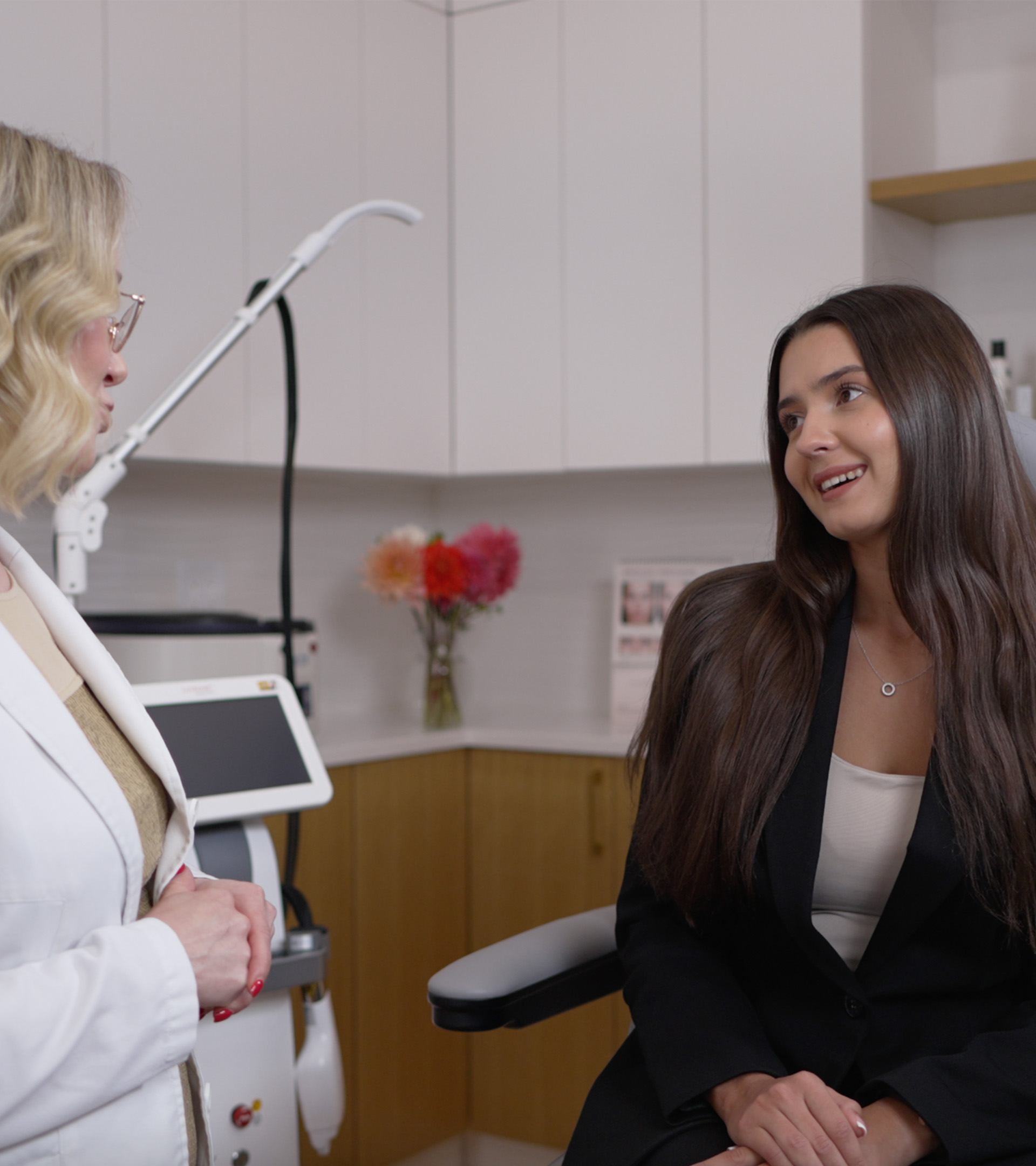
An in-office procedure offers distinct advantages over at-home solutions such as derma rollers because candidacy, treatment depth, hygiene, and the overall plan can be individualized.
Our dermatologist first determines whether microneedling is appropriate for your concern. This helps avoid treating the wrong problem and allows treatment depth and timing to be selected for the skin rather than following a generic protocol.
Dermatology Circle uses SkinPen®, an FDA-cleared prescription microneedling system. Its U.S. cleared indications include improvement in the appearance of facial acne scars in adults age 22 and older, and neck wrinkles in appropriate candidates.
PRP or other adjunctive treatments, when discussed, are considered separately and selected according to the treatment goal and overall treatment plan.
Treatment time and recovery depend on the area treated, treatment depth, and the reason microneedling is being performed.
A topical numbing cream is typically applied before treatment to improve comfort. The skin is cleansed and the treatment area is assessed before microneedling begins.
Microneedling itself is usually relatively quick. The exact time varies with the treatment area, but many facial treatments take approximately 10–30 minutes once the skin is prepared.
Redness, tightness, sensitivity, and mild swelling can occur after treatment. Some patients notice temporary dryness or light shedding over the next several days. Active skincare ingredients are typically reintroduced only after the skin barrier has recovered.
In-office microneedling allows a dermatologist to determine whether the procedure is appropriate, select treatment depth, use a sterile prescription device, and integrate the procedure into a broader plan rather than treating skin blindly with an at-home roller.
Microneedling can cause discomfort, but it usually is not very painful. At Dermatology Circle, numbing cream is applied before treatment to improve comfort.
Treatment itself is relatively quick and commonly takes about 10–30 minutes, depending on the area. Additional time is needed for cleansing, assessment, and topical numbing beforehand.
A series is often recommended rather than a single session. Treatments are commonly spaced several weeks apart, but the number of sessions and interval depend on the indication, baseline skin, scar depth, and response.
Microneedling should not be performed over open wounds, sores, or irritated skin, and active inflammatory acne or infection may make treatment inappropriate. Candidacy is reviewed before treatment.
Redness and sensitivity often improve within the first several days. Mild dryness or temporary shedding may follow. Aftercare is intentionally simple: gentle cleansing, sun protection, and waiting until the skin has recovered before restarting irritating active ingredients.
Collagen remodeling may produce mild improvement in firmness and texture. If laxity is the primary concern, however, a dedicated skin-tightening procedure may be more appropriate than microneedling alone.
Structural improvement in scars can persist because it reflects remodeling of the treated tissue. Skin aging and environmental exposure continue, so treatments performed for general skin quality may require maintenance over time.
Microneedling is used more often for post-acne texture and selected acne scars than for active inflammatory acne itself. Acne is a complex medical condition, and active disease should generally be controlled first with an appropriate medical treatment plan.
Expected short-term effects can include redness, tenderness, swelling, dryness, and temporary skin sensitivity. Less common complications described with microneedling include infection, pigment alteration, scarring, granulomatous reactions, and allergic or irritant reactions.
PRP is sometimes discussed as an adjunct to microneedling, particularly in scar treatment. Whether it adds meaningful benefit depends on the indication and protocol. SkinPen itself is not intended for transdermal delivery of biologics, so adjunctive treatments are considered separately.
Microneedling procedures in NYC can range from $555 to $1100 per session, depending on the treatment area and other factors. A package discount may apply when purchasing a minimum of three sessions.
Reveal the beauty of healthy skin with treatments tailored to you. Dr. Kazlouskaya and her team combine medical expertise with artistry to deliver natural, timeless results.