A patient considering oral minoxidil usually has a practical question: if minoxidil can be taken as a tablet, why do some keep applying it to the scalp?
For some patients, the oral route is genuinely easier. There is no solution or foam to apply, no residue in the hair, and no need to organize styling around a daily scalp treatment. Low-dose oral minoxidil can also produce meaningful hair growth very quickly in appropriately selected patients. But convenience changes the risk profile.
Oral minoxidil for hair loss is a systemic prescription treatment. Once swallowed, the medication circulates throughout the body rather than remaining primarily at the scalp. That is why unwanted facial or body hair, fluid retention, lightheadedness, changes in heart rate, and cardiovascular history all become part of the discussion.
There is another reason not to think of minoxidil simply as a “hair-growth pill”: thinning hair is a symptom, not a diagnosis. Female pattern hair loss, male pattern hair loss, telogen effluvium, alopecia areata, inflammatory scalp disease, and scarring alopecia can all produce thinning or shedding, but they do not require the same treatment. A hair-growth medication should not replace a hair-loss diagnosis.
What Is Oral Minoxidil?
Minoxidil has an unusual history in dermatology. It was originally developed as an oral medication for severe high blood pressure. Increased hair growth was noticed as an effect of systemic treatment, which eventually contributed to development of topical minoxidil formulations specifically for hair loss.
Today, dermatologists also prescribe much lower oral doses of minoxidil for selected patients with alopecia. This is generally called low-dose oral minoxidil, or LDOM.
There are therefore two very different ways minoxidil may be used for hair:
Topical Minoxidil
Topical minoxidil is applied directly to the scalp as a solution or foam. Systemic absorption is relatively limited, although it is not zero.
Oral Minoxidil
Oral minoxidil is taken as a prescription tablet. The medication circulates systemically, which eliminates the need for scalp application but also creates the possibility of effects outside the scalp.
Neither route is automatically better.
The choice depends on diagnosis, treatment goals, previous response, scalp sensitivity, medical history, lifestyle, and which side effects matter most to the individual patient.
Is Oral Minoxidil FDA-Approved for Hair Loss?
No. This point is worth stating clearly because oral minoxidil has become common enough in hair-loss discussions that patients may assume it is an FDA-approved hair-loss tablet.
Minoxidil tablets are FDA-approved as an antihypertensive medication, not as a treatment for alopecia. Using low-dose oral minoxidil for hair loss is therefore an off-label use.
Off-label prescribing means a physician is using an FDA-approved medication for a condition, patient population, route, or dosing strategy that is not specifically included in the drug’s FDA-approved labeling, based on available evidence and clinical judgment. Off-label does not mean illegal, and it does not necessarily mean experimental. Off-label prescribing is common across many areas of medicine.
It does mean that the FDA has not specifically approved oral minoxidil as a hair-loss treatment. This distinction also matters when discussing safety.
The current U.S. oral-minoxidil prescribing information includes serious cardiovascular warnings because the medication was approved for treatment of severe hypertension at antihypertensive doses and in a very different patient population. Hair-loss dermatology typically uses substantially lower doses.
We should not ignore the cardiovascular pharmacology of the drug, but we also should not automatically apply adverse-event rates from high-dose hypertension treatment to otherwise healthy patients receiving low-dose oral minoxidil for alopecia.
Low dose does not mean zero systemic risk. It also does not mean the treatment is equivalent to traditional high-dose antihypertensive therapy.
How Does Oral Minoxidil Differ From Topical Minoxidil?
Patients often frame this question as: Which one works better?
That is only part of the decision. Topical minoxidil has established efficacy and FDA-approved formulations for pattern hair loss. It also has an important advantage: most of the treatment is delivered locally.
Its disadvantages are practical. Some patients experience: scalp irritation, itching, flaking, residue, undesirable hair texture, difficulty styling their hair, frustration with daily application. And a treatment only works if used consistently daily.
Most side effects of topical minoxidil are caused by propylene glycol that is needed for absorption. Using a foam version may help with some but not all inconvenient symptoms. Additionally, not everyone can benefit from topical minoxidil. Some patients lack an enzyme that converts it to its active form.
Oral minoxidil eliminates the daily scalp application. For some patients, swallowing a tablet is considerably easier to maintain than applying medication to the scalp indefinitely.
Oral vs. Topical Minoxidil
| Feature | Low-Dose Oral Minoxidil | Topical Minoxidil |
|---|---|---|
| Administration | Prescription tablet | Applied to the scalp |
| FDA approval for hair loss | Off-label | FDA-approved formulations are available for pattern hair loss |
| Daily scalp application | No | Yes |
| Application-related scalp irritation | Avoided | Possible |
| Systemic exposure | Yes | Much lower |
| Unwanted facial/body hair | More common | Less common |
| Cardiovascular considerations | More relevant | Much less prominent |
| Adherence | May be easier for some patients | Depends on consistent application |
| Effectiveness | Can be effective | Established efficacy |
| Best choice | Individualized | Individualized |
Is Oral Minoxidil Better Than Topical Minoxidil?
To some degree but not universally. This is especially important because oral minoxidil is sometimes described online as though moving from topical medication to a tablet represents an automatic “upgrade.”
Oral and topical minoxidil in androgenetic alopecia found similar overall improvements in hair density and hair diameter between the two approaches. Hypertrichosis (unwanted hair growth outside the scalp) was more frequent with oral therapy.
Oral therapy may be attractive when: topical treatment causes significant irritation, application is impractical, adherence is poor, the patient strongly prefers oral treatment, a dermatologist determines systemic treatment is medically appropriate.
Topical therapy may remain preferable when: the patient wants to minimize systemic exposure, cardiovascular considerations make oral therapy less attractive, unwanted facial or body hair would be particularly problematic, topical treatment is already working and is easy to use consistently.
Who May Be a Candidate for Low-Dose Oral Minoxidil?
The strongest everyday use of low-dose oral minoxidil is in appropriately selected patients with pattern hair loss.
Potential candidates may include patients with:
- Female pattern hair loss;
- Male pattern hair loss;
- Difficulty maintaining topical minoxidil;
- Significant irritation from topical formulations;
- Cosmetic dislike of solutions or foams;
- Inadequate response to a previous strategy where changing the treatment approach is reasonable.
Minoxidil may also be used as supportive therapy in selected other hair disorders, but this requires a more important distinction: stimulating hair growth and treating the disease causing hair loss are not necessarily the same thing. For example, someone with lichen planopilaris or another inflammatory scarring alopecia may benefit from a growth-supporting treatment in certain circumstances. But minoxidil does not suppress the inflammatory process that can permanently destroy follicles.
Similarly, a patient experiencing telogen effluvium may need the trigger for excessive shedding identified rather than simply having a growth stimulant added without understanding what happened. The decision therefore starts with the diagnosis.
What Does “Low-Dose” Oral Minoxidil Mean?
The term can be confusing because there is no single dose that defines the correct treatment for every hair-loss patient. In the dermatology literature, low-dose oral minoxidil generally refers to doses at or below approximately 5 mg per day which is substantially below traditional antihypertensive regimens. That number is not a recommended starting dose and should not be used as a self-prescribing guide.
There is no single oral-minoxidil dose that is right for every patient with thinning hair.
What Types of Hair Loss Can Oral Minoxidil Help?
Female Pattern Hair Loss
Female pattern hair loss involves progressive miniaturization of susceptible follicles. Minoxidil can support growth and improve density in selected patients. But female hair loss deserves proper evaluation because several conditions may occur simultaneously.
Someone who appears to have female pattern hair loss can also have telogen effluvium, nutritional deficiency, inflammatory scalp disease, or early scarring alopecia.
For a broader overview, our guide to hair loss conditions that affect women explains why female thinning should not automatically be assigned one diagnosis.
Male Pattern Hair Loss
Low-dose oral minoxidil can also be used in selected men with androgenetic alopecia. Minoxidil promotes hair growth, but it does not directly block the androgen-driven pathway responsible for follicular miniaturization.
This distinction helps explain why minoxidil may sometimes be combined with other diagnosis-specific treatment rather than used as the only intervention.
When Can Results From Oral Minoxidil Appear?
Hair treatment is difficult to evaluate quickly because hair itself grows slowly. A medication can be biologically affecting the follicle well before a patient sees an obvious cosmetic difference in the mirror.
Three to six months is an early timeframe in which efficacy may begin to become assessable. More complete coverage often requires longer.
The sequence may look something like this:
- Start treatment
- Possible early shedding
- Hair-cycle transition and stabilization
- Gradual changes in thickness or density
- Longer-term reassessment
This timeline varies substantially between patients. It also explains why daily mirror inspection can be misleading. Hair length, styling, humidity, lighting, washing schedule, and part placement can make the same scalp appear dramatically different from one photograph to another.
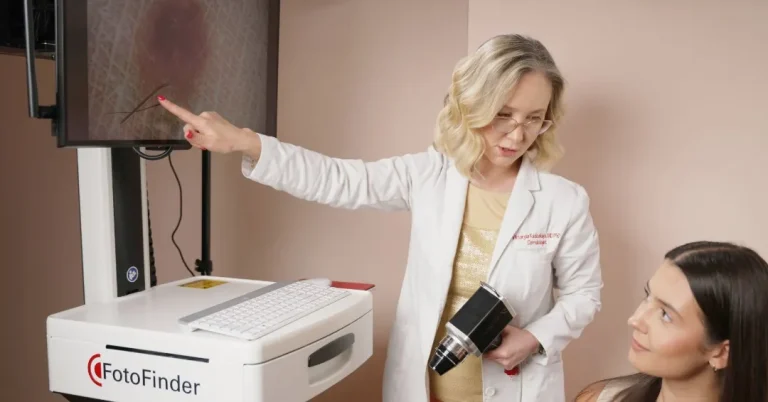
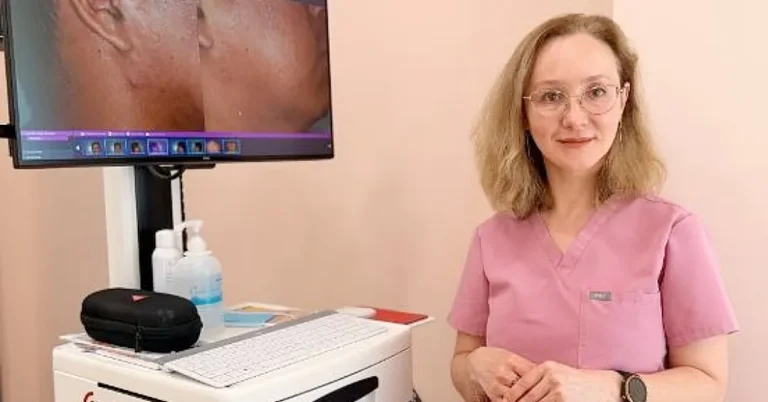
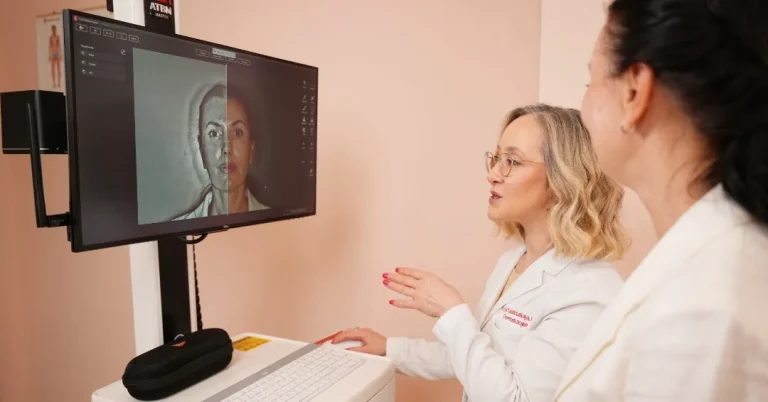
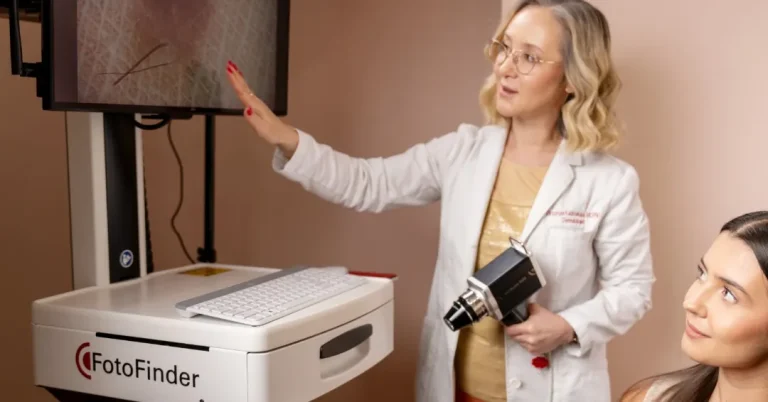
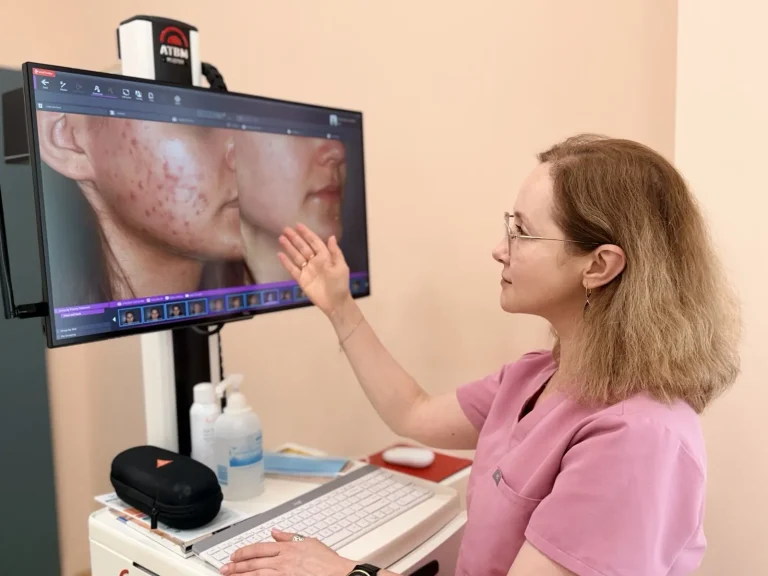
At Dermatology Circle, digital trichoscopy for hair loss can provide objective baseline images and measurements that can later be compared with follow-up findings.
Can Oral Minoxidil Cause Initial Shedding?
Yes, but it is less common than with topical minoxidil. While the exact percentage is not known, it is likely to happen in about 5% of cases. Patients sometimes call this the “minoxidil shed” or “dread shed.” The underlying concept involves hair-cycle timing.
Hair follicles continuously move through growth, transition, resting, and shedding phases. Minoxidil can alter this cycle. Hairs already approaching the end of their resting phase may be released as follicles transition toward another growth phase.
The result can be a temporary period in which the patient notices more shedding after beginning treatment.
Three points are especially important:
- First, not everyone sheds. Initial shedding is a recognized treatment phenomenon, not a mandatory step.
- Second, shedding does not automatically mean that minoxidil is damaging the follicles. A temporary change in hair-cycle timing is very different from permanent follicular destruction.
- Third, shedding is not proof that treatment will ultimately work. The internet sometimes describes initial shedding as a reassuring sign that the medication “must be working.” That goes beyond the evidence.
How Long Can Initial Minoxidil Shedding Last?
When shedding truly represents an early minoxidil-related hair-cycle change, it is expected to be temporary rather than progressively worsening indefinitely. But there is no single duration that applies to every patient. Persistent, severe, or unexpectedly increasing shedding should not automatically be blamed on oral minoxidil.
Other causes may include:
- Acute or chronic telogen effluvium;
- Iron deficiency;
- Thyroid disease;
- Major illness;
- Rapid weight loss;
- Restrictive dieting;
- Hormonal changes;
- Medication changes;
- Ongoing androgenetic alopecia;
- Inflammatory hair loss;
- Another alopecia developing at the same time.
If the pattern does not fit the expected clinical course, the correct response is reassessment, not simply waiting indefinitely because “minoxidil causes shedding.”
Common Side Effects of Low-Dose Oral Minoxidil
Low-dose oral minoxidil is generally well tolerated in published dermatology cohorts, but it is still a systemic medication. The side effect patients notice most frequently is not cardiovascular. It is hypertrichosis.
Hypertrichosis
Hypertrichosis means increased hair growth outside the intended scalp area. Patients may notice additional hair on areas such as: sides of the cheeks, temples, upper lip, arms, body.
In various studies hypertrichosis was reported in approximately 10-15% of patients. The exact likelihood varies with dose, population, sex, individual follicular sensitivity, and study design, so this percentage should not be interpreted as a guarantee for an individual patient.
Lightheadedness
Because minoxidil is a vasodilator, some patients may experience lightheadedness or dizziness.
Fluid Retention and Swelling
Some patients may notice: ankle swelling, lower-leg swelling, puffiness around the eyes, changes associated with fluid retention.
Headache
Headache can occur, although it appears relatively uncommon in large low-dose series.
Increased Heart Rate or Palpitations
Tachycardia or a sensation of palpitations can occur and deserves attention, particularly in someone with relevant cardiovascular history.
Why Does Oral Minoxidil Cause Facial or Body Hair?
Oral minoxidil circulates systemically. The medication therefore does not know that the patient’s treatment goal is limited to the scalp. Hair follicles elsewhere on the body can also respond.
For one patient, a modest increase in facial hair may be completely acceptable in exchange for improvement in scalp density. For another, particularly someone already managing unwanted facial hair, it may be the main reason oral therapy is unattractive.
Side-effect counseling should happen before, not after, the prescription is started.
Less Common but Important Cardiovascular Risks
Minoxidil is fundamentally a vasodilator. That is why cardiovascular considerations cannot simply be removed from the conversation because the medication is being prescribed by a dermatologist.
The current U.S. prescribing information for oral minoxidil also carries a boxed warning concerning serious cardiovascular effects, including pericardial effusion, in its approved antihypertensive use.
Context is essential. Those warnings originate from use of oral minoxidil as a potent treatment for patients with severe hypertension, historically at much higher doses and often in medically complex populations.
Low-dose dermatologic studies involve different dosing strategies and patients. Large hair-loss cohorts have generally reported serious cardiovascular complications infrequently, while mild systemic effects appear uncommon but clearly possible.
Do You Need Heart Testing Before Oral Minoxidil?
Not every healthy patient needs an ECG, echocardiogram, cardiology consultation, and extensive laboratory panel simply because low-dose oral minoxidil is being considered.
Baseline evaluation should be risk-based. In patients without relevant precautions, the expert consensus did not support routine baseline laboratory or ECG testing for everyone.
Additional testing or another specialist’s input may become appropriate when the history identifies a specific concern.
This distinction prevents two opposite mistakes:
- Treating oral minoxidil like a casual supplement that needs no medical screening; or
- Suggesting that every healthy hair-loss patient requires a cardiac workup before low-dose therapy.
Neither reflects current expert guidance.
Who Should Not Take Oral Minoxidil or Need Additional Caution?
This should be determined medically rather than through an online self-clearance checklist.
Situations that may require avoidance, additional assessment, closer monitoring, or specialist input include:
- Pregnancy;
- Relevant cardiovascular disease;
- History of pericardial disease;
- Significant baseline hypotension;
- Tachycardia or arrhythmia history;
- Clinically important fluid retention;
- Renal impairment;
- Dialysis;
- Interacting cardiovascular medications;
- Other medical factors identified during evaluation.
The presence of one medical condition does not necessarily answer the question by itself. What matters is the overall risk profile, the reason minoxidil is being considered, alternative treatments, and the expected benefit.
Oral Minoxidil in Pregnancy and Breastfeeding
Pregnancy plans should be discussed before systemic hair-loss medication is prescribed. Oral minoxidil is generally avoided during pregnancy.
Breastfeeding is somewhat more nuanced because human data remain limited. The U.S. LactMed database, updated in 2026, advises caution with oral minoxidil during lactation, particularly with larger maternal doses or when breastfeeding a newborn.
Do You Have to Take Oral Minoxidil Forever?
For a chronic condition such as androgenetic alopecia, treatment usually needs to continue if the patient wants to maintain a minoxidil-dependent benefit. That does not mean missing one tablet causes sudden hair loss.
Hair biology works much more slowly than that. But when an effective minoxidil treatment is permanently discontinued, follicles that were being supported by treatment can gradually return toward the trajectory they would have followed without it.
Over time, some of the gained or preserved density may therefore be lost. A prescription should not continue indefinitely simply because it was once started. Response should be reassessed.
Why Hair-Loss Diagnosis Should Come Before Treatment
Two patients can both say: “My hair is getting thinner.” One may have female pattern hair loss. Another may have telogen effluvium after rapid weight loss.
Minoxidil can support hair growth in several settings, but it does not replace treatment of the underlying disease. Laboratory testing may be useful when the history and pattern suggest iron deficiency, thyroid disease, nutritional issues, or another systemic contributor.
This diagnosis-first philosophy is the basis of a dermatologist-led hair loss consultation at Dermatology Circle.
The value of the visit is not simply obtaining an oral-minoxidil prescription.
It is determining:
- What type of hair loss is present?
- Does minoxidil address the problem?
- Is oral or topical treatment more appropriate?
- Does another disease-specific treatment need to be added?
- How should response be measured?
How Trichoscopy Helps Guide Oral Minoxidil Treatment
Looking at hair in the mirror is useful for noticing a problem. It is much less reliable for measuring small changes over time.
Trichoscopy is a magnified examination of the scalp and hair that can reveal features not easily visible with the naked eye. Digital photographs can also establish a baseline.
This matters when assessing oral minoxidil because the question after several months should not simply be:
“Do I think my hair looks better today?”
A better question is:
“Has density, shaft caliber, miniaturization, or the standardized photographic appearance changed compared with baseline?”
Objective monitoring is particularly helpful when multiple treatments are being used simultaneously.
Real Patient Hair-Loss Treatment Results
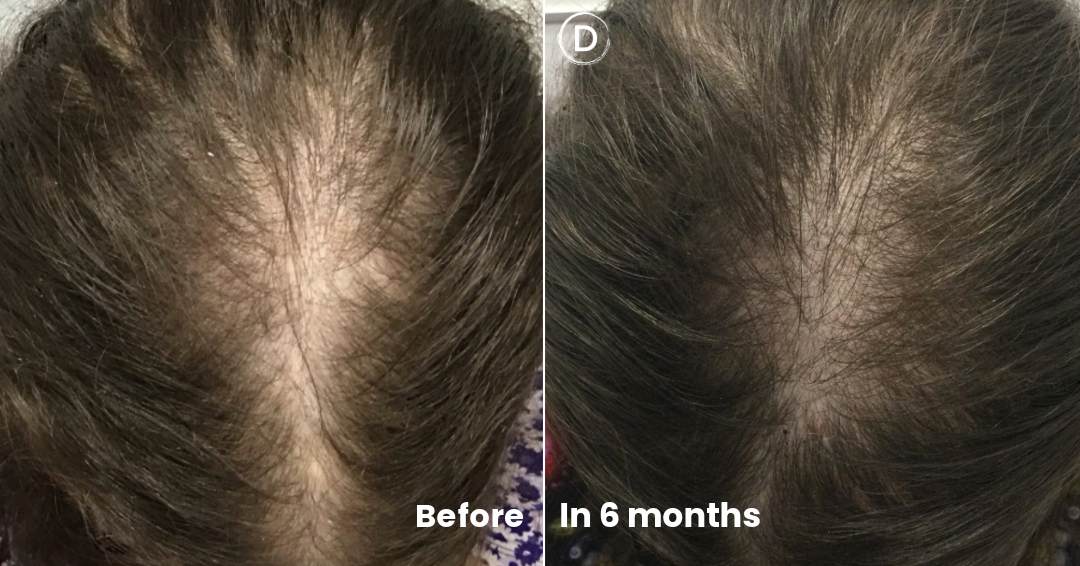
These cases show how hair-loss treatment can improve density and coverage over time. The first documents a six-month response to oral minoxidil, while the other cases illustrate individualized long-term treatment strategies. Individual results vary, and one patient’s outcome cannot predict another patient’s response.
Female Pattern Hair Loss Treated With Oral Minoxidil: 6-Month Results
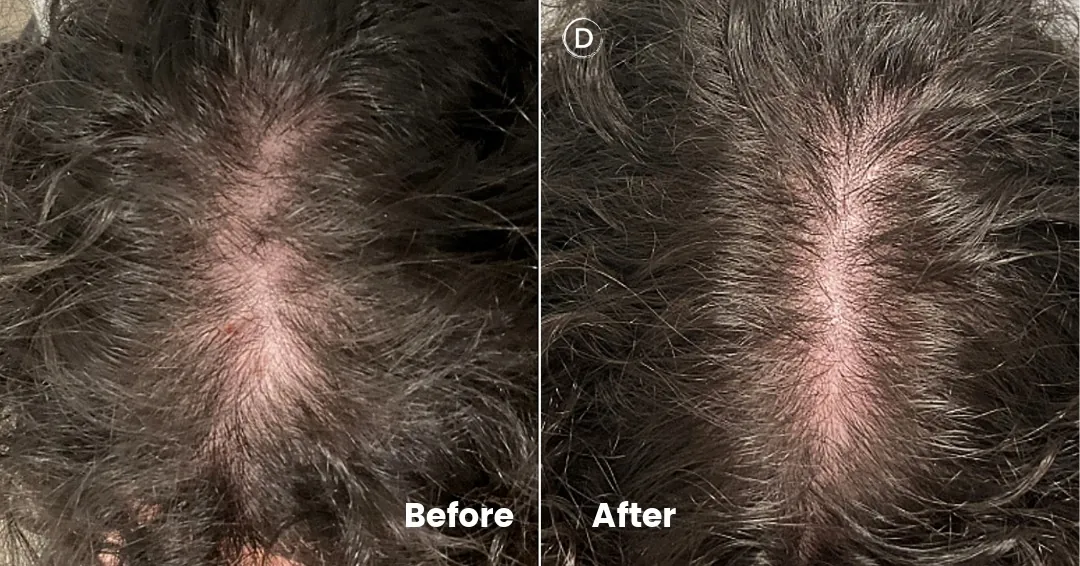
This patient presented with female pattern hair loss and widening of the central part. After six months of oral minoxidil treatment, standardized follow-up photographs showed improved hair density and coverage through the central scalp, with decreased visibility of the part.
Six months is an important early point for assessing treatment response, and improvement may continue with ongoing therapy. Oral minoxidil is prescribed off-label for hair loss and is not appropriate for every patient.
Early Hair Thinning Treatment in NYC
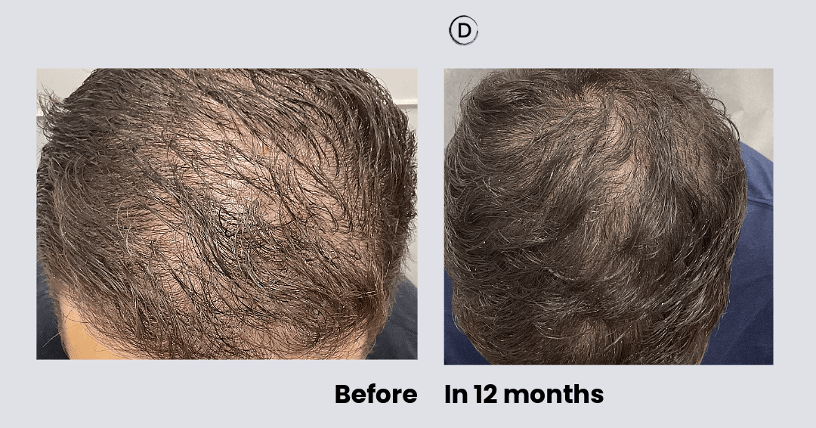
This young patient had early androgenetic alopecia that had progressed gradually and was not initially recognized. Timely evaluation and a personalized long-term treatment strategy improved hair density while supporting preservation of existing hair.
Female Pattern Hair Loss: Personalized Treatment Transformation
This young patient with female pattern hair loss followed an individualized plan combining medical treatment with lifestyle adjustments, including attention to diet and supplements. Follow-up showed visibly thicker, stronger-looking hair and improved overall coverage.
Can Oral Minoxidil Be Combined With Other Hair-Loss Treatments?
Yes, when the diagnosis supports combination treatment. But not every patient needs five treatments at once.
Depending on the condition, a treatment plan may incorporate:
- Topical minoxidil;
- Finasteride;
- Dutasteride;
- Spironolactone;
- Low-level light therapy;
- Platelet-rich plasma;
- Anti-inflammatory treatment;
- Other diagnosis-specific therapies.
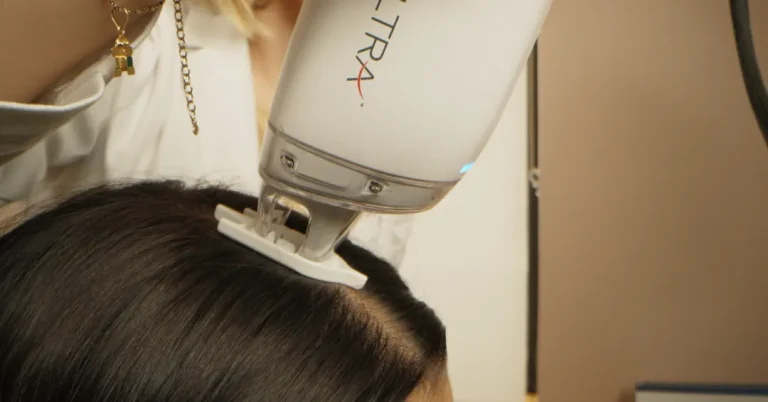
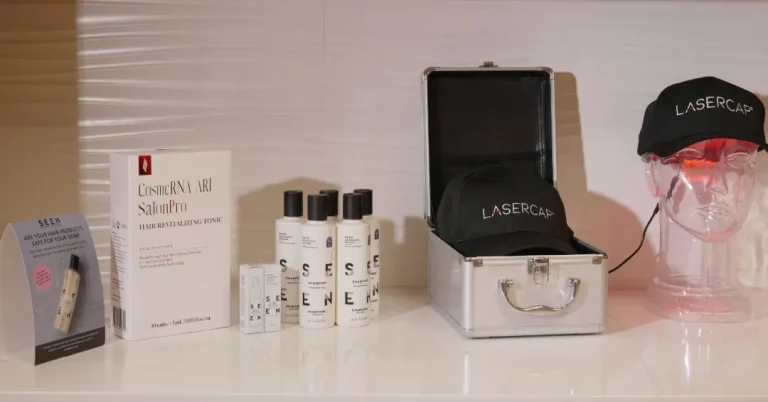
For pattern hair loss, low-level light therapy and PRP are two non-invasive adjuncts that may be considered alongside medical therapy.
Adding more treatments is not automatically better, and initiating multiple therapies simultaneously can also make it difficult to determine which one is helping—or which one is causing a side effect.
Benefits vs. Considerations of Oral Minoxidil
| Potential Advantage | Important Consideration |
|---|---|
| No daily scalp application | It is a systemic medication |
| May improve adherence | Use for hair loss is off-label |
| Avoids topical residue | Hypertrichosis may occur |
| Avoids some application-related irritation | Edema, lightheadedness or palpitations are possible |
| Can support hair density | It does not diagnose or treat every underlying cause |
| May be useful in both women and men | Patient selection and monitoring matter |
When Oral Minoxidil May Not Be the Next Step
A patient can be interested in oral minoxidil and still need something else first.
That may be the case when:
- The diagnosis remains uncertain;
- Significant scalp inflammation is present;
- A scarring alopecia is possible;
- Dramatic shedding suggests an active trigger that has not been investigated;
- Cardiovascular or renal history needs clarification;
- Pregnancy is planned or ongoing;
- The patient is already doing well with a simpler treatment;
- The likely benefit does not justify the systemic side effects for that individual.
Oral Minoxidil for Hair Loss: The Bottom Line
Low-dose oral minoxidil can be a useful treatment for selected patients with hair loss, particularly when topical minoxidil is difficult to tolerate or difficult to use consistently.
However, a hair-growth medication should not replace a hair-loss diagnosis.
Considering oral minoxidil for thinning hair? A hair loss consultation in NYC can determine whether minoxidil is appropriate, identify the underlying type of hair loss, assess whether oral or topical treatment makes more sense, and establish objective baseline measurements for monitoring treatment response.