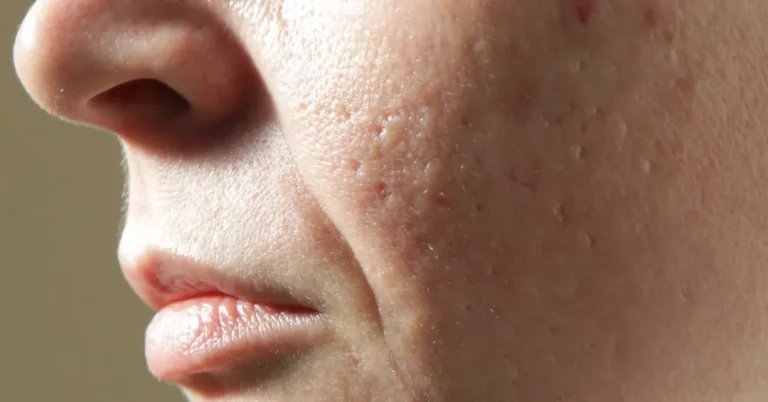
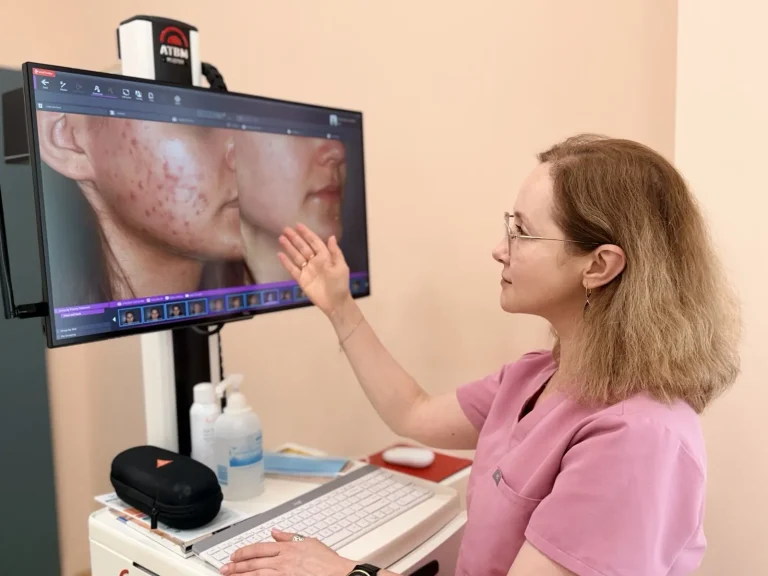
A patient with brown patches on the cheeks may understandably think the solution is a laser that targets brown pigment. Sometimes it is exactly the wrong place to start. In general, lasers are NOT the first-line treatment for melasma, which is usually managed primarily with medical therapy. However, lasers can be helpful adjuncts as part of a comprehensive melasma treatment plan.
The reason is that melasma is not simply a collection of brown spots waiting to be removed. It is a chronic pigment disorder in which the skin retains a tendency to produce excess pigment. A procedure may lighten what is visible today without eliminating the biological tendency for pigmentation to return. That distinction changes how I think about laser treatment for melasma.
Before choosing any energy-based treatment, the more important questions are: Is this actually melasma? How active is it? What is the patient’s skin tone and history of post-inflammatory hyperpigmentation? Is photoprotection adequate? Has medical treatment been established? And will adding a procedure provide enough benefit to justify the inflammation it creates?
Expert melasma treatment sometimes means knowing when not to use a laser.
First: Is It Actually Melasma?
The first step in treating facial pigmentation is diagnosis, not device selection. Melasma usually appears as broader areas of brown or gray-brown pigmentation, often with a relatively symmetric distribution. Common locations include:
- Cheeks;
- Forehead;
- Upper lip.
Sun exposure often makes it more noticeable. Hormonal influences, including pregnancy and hormonal medications, can contribute in susceptible patients. Many patients also notice seasonal fluctuation, with pigmentation becoming more obvious during sunnier months. But several other conditions can look like melasma to someone looking in the mirror.
Discrete sunspots, freckles, post-inflammatory hyperpigmentation, pigmented seborrheic keratoses, medication-related pigmentation, and other pigment disorders may require very different approaches. This matters because a treatment that works beautifully for one isolated sunspot may be a poor choice for biologically active melasma.
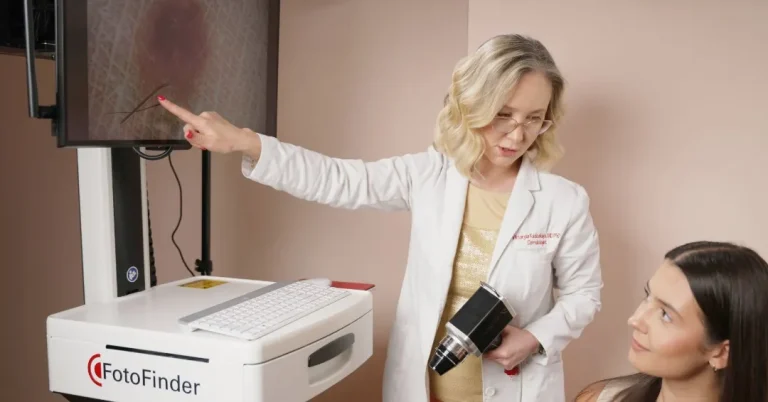
Before treating facial pigmentation with a device, a pigmentation and cosmetic dermatology consultation can establish what is actually being treated.
Melasma vs. Sunspots vs. Post-Inflammatory Hyperpigmentation
Patients frequently use “dark spots,” “sun damage,” and “melasma” interchangeably. Dermatologists do not, because the distinction can materially change treatment.
Melasma
Melasma tends to create broader, often symmetric patches rather than isolated individual spots. It is chronic and relapse-prone. Even after excellent improvement, the skin may remain susceptible to renewed pigmentation from UV exposure, visible light, hormonal influences, inflammation, or other triggers.
Solar Lentigines
Solar lentigines, commonly called sunspots or age spots, are usually more discrete individual lesions related to cumulative ultraviolet exposure. They may respond predictably to treatments that target localized pigment because their biology differs from melasma.
Post-Inflammatory Hyperpigmentation
Post-inflammatory hyperpigmentation, or PIH, is excess pigmentation that develops after inflammation or injury.
Common triggers include:
- Acne;
- Eczema;
- Irritation;
- Burns;
- Aggressive skincare and procedures;
- Laser treatment itself.
PIH is especially relevant when discussing melasma because a treatment designed to remove pigment can create enough inflammation to stimulate additional pigment.
Mixed Pigmentation
A patient can have more than one problem at the same time. For example, someone may have background melasma plus several discrete sunspots. Treating every brown area with identical settings because they look superficially similar can produce very different responses.
| Pigmentation Type | Typical Pattern | Common Trigger / Driver | Why Diagnosis Matters |
|---|---|---|---|
| Melasma | Broader, often symmetric facial patches | UV, visible light, hormones and other factors | Chronic and recurrence-prone; procedures require careful selection |
| Sunspots / lentigines | More discrete individual spots | Cumulative UV exposure | May respond differently to pigment-targeting procedures |
| PIH | Pigment where inflammation or injury occurred | Acne, irritation, procedures, trauma | Additional inflammation can worsen pigmentation |
| Mixed pigmentation | Several patterns occurring together | Multiple causes | Different areas may require different strategies |
This table is educational rather than diagnostic. In practice, appearance, history, skin type, distribution, and sometimes additional examination all influence the diagnosis.
Why Melasma Behaves Differently From Ordinary Brown Spots
Melasma is not simply pigment sitting at the surface of the skin. Pigment-producing cells called melanocytes can remain unusually active. UV radiation is an important stimulus, but the biology of melasma is more complex and can involve visible light, hormonal influences, inflammation, vascular changes, and alterations within the dermis.
That explains one of the most frustrating features of melasma: Removing visible pigment does not necessarily remove the tendency of the skin to produce it again. A treatment may create impressive initial lightening and still prove disappointing if pigmentation quickly rebounds.
For that reason, I do not judge a melasma treatment only by how light the skin looks immediately afterward. Durability, inflammation, recurrence, and the ability to maintain improvement all matter.
Can Laser Treatment Help Melasma?
Yes, but that answer needs qualification. Laser and light-based treatments can improve melasma in selected patients. Studies have evaluated multiple technologies, including:
- Fractional non-ablative lasers;
- 1927-nm thulium fractional lasers;
- Low-fluence Q-switched Nd:YAG lasers;
- Picosecond devices;
- Fractional ablative resurfacing.
The evidence, however, does not establish one universally superior “best laser for melasma.” A 2026 systematic review and meta-analysis covering 52 studies found substantial variation among technologies and protocols, with very high statistical heterogeneity. The authors emphasized recurrence and recommended integrating laser treatment into multimodal management rather than viewing it as stand-alone therapy.
This fits the way melasma behaves clinically. Two patients can have facial pigmentation described as melasma and reasonably receive completely different recommendations. One may benefit from medical treatment and photoprotection alone. Another with stable residual pigmentation despite an established regimen may be a candidate for a carefully selected fractional procedure. A third patient with active pigmentation, recent tanning, and a history of severe PIH may be better served by not using a device yet.
Why Some Energy-Based Treatments Can Make Pigmentation Worse
This is the paradox of treating melasma with energy: Pigment treatment can itself create inflammation.
Lasers and light devices work by delivering controlled energy to the skin. That controlled injury is the reason many of them work. But melanocytes can respond to inflammation by increasing pigment production.
If the inflammatory response is excessive, or if the patient is particularly susceptible, the result can include:
- Temporary darkening;
- Post-inflammatory hyperpigmentation;
- Uneven pigmentation;
- Rebound melasma;
- Prolonged discoloration;
- In some circumstances, areas of hypopigmentation after overly aggressive or repetitive treatment.
Risk depends on much more than the name of the device. It can be influenced by: wavelength, fluence or energy, fractional density, number of passes, treatment frequency, baseline skin tone, recent UV exposure or tanning, current melasma activity, history of PIH, and many more.
Recent evidence on energy-based procedures in skin of color continues to demonstrate that PIH is an important procedural consideration, and lower energy or density can reduce adverse pigment changes in some fractional-laser protocols.
The practical message is not that lasers are inherently dangerous for melasma. It is that the treatment window may be narrower than it is for ordinary photodamage.
IPL and Melasma: Helpful or Risky?
First, IPL is not technically a laser. Intense pulsed light (IPL) produces a broad spectrum of light rather than one specific laser wavelength. Filters and settings determine which portions of that spectrum reach the skin and which chromophores, such as melanin or hemoglobin, absorb the energy.
IPL or BBL may initially improve melasma, particularly if it is a superficial one, but it can also trigger post-inflammatory or rebound hyperpigmentation. This is why IPL should not be used in melasma, especially in darker skin types or active, unstable melasma.
Fractional Lasers and Melasma
Fractional lasers create many microscopic treatment zones separated by untreated skin. The surrounding untreated tissue participates in healing.
Depending on the device, fractional treatment can be:
- Non-ablative, meaning the surface remains largely intact;
- Ablative, meaning microscopic columns of tissue are vaporized.
Fractional treatment does not eliminate the possibility of PIH or melasma recurrence. “Fractional” is not synonymous with “risk-free.” Energy, density, wavelength, number of passes, skin tone, and treatment indication still matter.
This is why device names alone are not particularly useful when patients compare treatments online. As I discuss more broadly when explaining how fractional laser technology differs from other energy-based treatments, devices target different tissues and depths and should not be considered interchangeable.
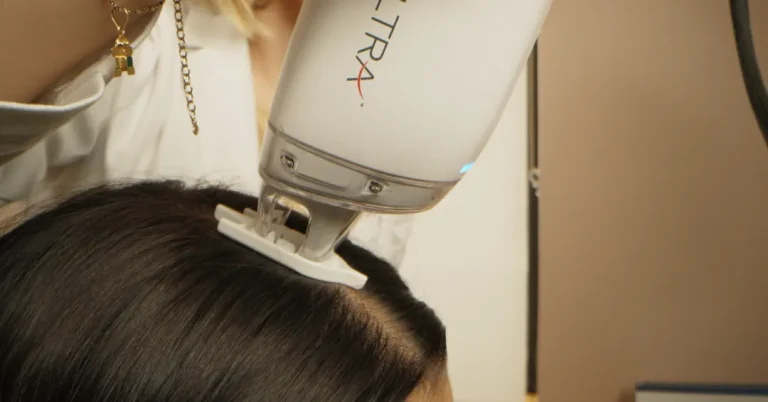
What About 1927-nm Thulium / Ultra LaseMD?
The 1927-nm thulium wavelength is particularly relevant to superficial dyschromia and has also been studied in melasma.
Published studies have reported improvement in:
- Melasma;
- Dyschromia;
- Photodamage;
- Selected forms of hyperpigmentation.
At Dermatology Circle, Ultra LaseMD is one available tool, not a predetermined treatment for every pigmentation patient. A real LaseMD pigmentation treatment case on our site demonstrates improvement achieved alongside an individualized skincare regimen and rigorous sun protection. Another patient’s outcome, however, cannot predict what a new patient’s melasma will do.
The clinically useful question is not: “Does LaseMD treat pigment?”
It can. The better question is: “Is fractional 1927-nm treatment appropriate for this patient’s specific pigmentation?”
Real Patient Pigmentation Treatment Results
These cases illustrate why diagnosis and treatment selection matter. They show improvement in specific pigmentation patterns using individualized approaches; they should not be interpreted as evidence that every brown patch—or every case of melasma—should be treated with the same procedure.
Pigment Precision for a Naturally Even Glow
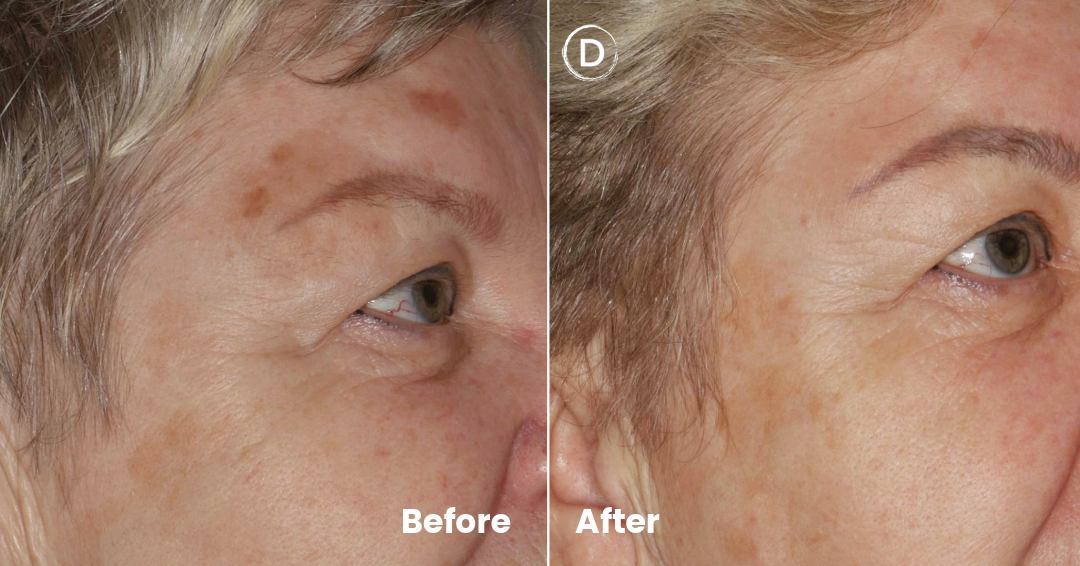
This patient’s plan combined precise removal of selected lesions using gentle scraping and cryotherapy with targeted pigment-laser treatment. The goal was to soften stubborn sun spots and uneven tone while avoiding the recovery associated with more aggressive resurfacing.
Ultra LaseMD for Pigment Correction
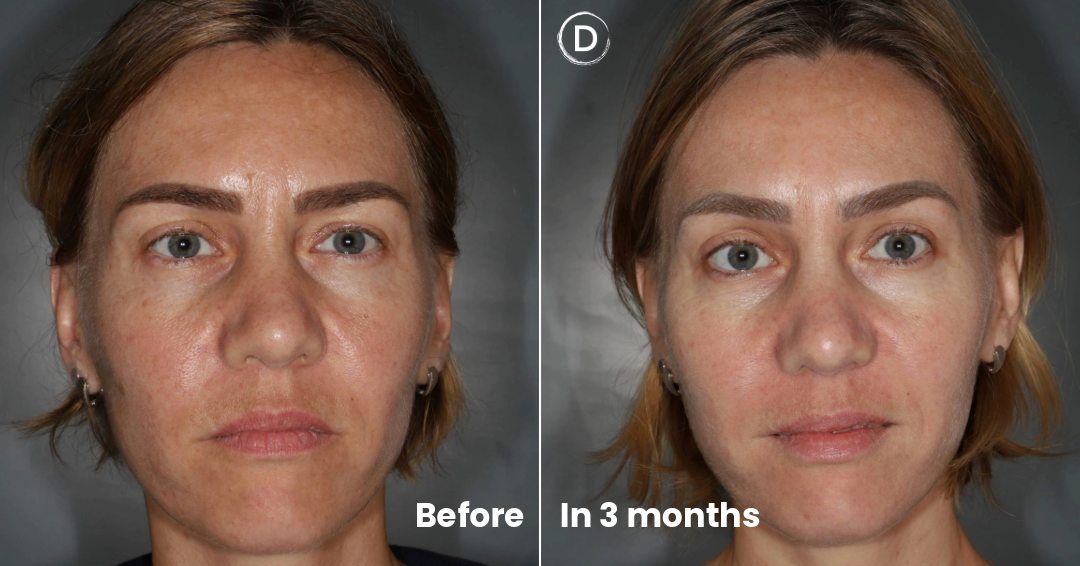
This result followed a personalized skincare regimen, rigorous sun protection, and two Ultra LaseMD treatments. The case demonstrates how a fractional 1927-nm procedure may be incorporated into a broader pigment-management plan for an appropriately selected patient.
Are Ablative Lasers Appropriate for Melasma?
More aggressive resurfacing creates more tissue injury and therefore more inflammation. That matters in melasma.
Fractional ablative technologies such as CO2 or erbium:YAG have been studied, and a 2024 meta-analysis found that ablative fractional lasers combined with medical therapy could improve melasma outcomes in selected patients. The same analysis also documented expected inflammatory adverse events and occasional reversible PIH.
This does not mean ablative resurfacing should routinely be chosen. In fact, if pigmentation is the primary concern, the additional inflammation may make a more aggressive treatment unattractive compared with less inflammatory options.
Why Skin Type Matters
Melanin helps determine both what energy the skin absorbs and how it responds to inflammation. Dermatologists often describe baseline skin phototype using the Fitzpatrick classification, which broadly categorizes how skin responds to UV exposure. It is not a perfect measure of ethnicity or pigment risk, but it can contribute to procedural planning.
Patients with more melanated skin tend to have a greater propensity for post-inflammatory pigmentation. That does not mean darker skin cannot be treated with lasers.
AAD guidance specifically notes that lasers can be used across skin types, while emphasizing that patients with darker skin have greater risk of burns and dark marks and should be treated by clinicians experienced with those skin types.
Procedural planning may involve greater attention to: wavelength; energy; fractional density; number of passes; pretreatment pigment control; recent sun exposure; post-procedure inflammation; and maintenance.
Melasma in Skin of Color
Melasma is especially relevant in skin of color. For all patients, and specifically with the melanated skin, the goal should be enough controlled treatment to create benefit without provoking an inflammatory response that negates it.
Visible light matters
Visible wavelengths of sunlight can contribute to pigmentation, particularly in darker skin tones. This is why melasma photoprotection is not simply about using the highest SPF available.
Maintenance matters
Even after successful procedural improvement, ongoing photoprotection and pigment-control strategies remain important. A conservative approach does not mean undertreating the patient. It means understanding that a dramatic immediate treatment response is less valuable than improvement that can actually be maintained.
Why Medical Treatment Often Comes Before Laser
When melasma is active, the first priority is often to reduce pigment production and improve control before creating procedural inflammation.
Depending on the patient, dermatologist-directed treatment may include options such as:
- Hydroquinone;
- Triple-combination therapy;
- Retinoids;
- Azelaic acid;
- Oral tranexamic acid;
- Other prescription depigmenting agents.
AAD guidance places sun protection and topical medication at the center of treatment, with procedures added selectively when appropriate. Topicals may be used before a procedure, alongside procedural treatment, afterward, or as long-term maintenance.
This is why what happens during a physician-led cosmetic consultation matters more than choosing a device from a menu.
What About Tranexamic Acid?
Tranexamic acid has become much more visible in online conversations about melasma.
It can be used in different forms, including topical applications and, in carefully selected patients, oral therapy.
Evidence supports potential benefit, although studies use heterogeneous protocols. Oral tranexamic acid deserves particular medical caution because it is a systemic antifibrinolytic medication (may potentially increase chance of clotting).
Recent studies have provided reassuring safety data in appropriately selected populations, but thromboembolic risk, medical history, medication history, and contraindications still need to be assessed before it is prescribed. Current dermatology literature continues to emphasize clinical screening rather than casual over-the-counter-style use. Tranexamic acid also does not replace photoprotection or maintenance.
Chemical Peels and Combination Therapy
Superficial chemical peels can sometimes complement melasma treatment. By increasing epidermal turnover, a carefully selected peel may help improve superficial pigment and can be incorporated into a broader treatment strategy.
But the same rule applies: More exfoliation is not necessarily better. A peel that creates excessive irritation can lead to inflammation and additional pigmentation.
That is why I prefer thinking about melasma management as a coordinated combination:
photoprotection + appropriate topical treatment + selected procedures + maintenance
rather than stacking multiple aggressive treatments in an attempt to make the pigment disappear faster.
UV Protection Is Essential, But Visible Light Matters Too
Photoprotection is not an optional supporting treatment for melasma. It is part of the treatment itself.
UVB is strongly associated with sunburn, while UVA penetrates more deeply and contributes to photoaging and pigmentation. Melasma management also needs to consider visible light.
Studies have shown that visible light can induce pigmentation, particularly in more melanated skin. A randomized study comparing UV-only protection with sunscreen that also protected against visible light found better improvement when iron oxide was incorporated alongside hydroquinone treatment.
AAD therefore recommends, particularly for melasma and darker skin tones:
- Broad-spectrum SPF 30 or higher;
- Regular reapplication;
- Shade;
- Protective clothing and hats;
- A tinted sunscreen containing iron oxides to help protect against visible light.
This becomes even more important after a procedure. A procedural melasma plan without rigorous photoprotection is fighting against one of the major drivers of recurrence.
What About Heat?
Patients are often told that “heat causes melasma.” The biology is more nuanced. Some patients clearly report flares associated with substantial heat exposure, and heat-related pathways, vascular responses, and inflammation may contribute to melasma biology.
Why Melasma Comes Back
Melasma is generally a chronic, relapse-prone disorder. That is one of the most important expectations to establish before any laser treatment.
Recurrence can be influenced by:
- UV exposure;
- Visible light;
- Hormonal factors;
- Pregnancy;
- Medication changes;
- Inflammation;
- Inadequate maintenance;
- Individual biological susceptibility.
Recurrence does not necessarily mean that a previous treatment was useless. A treatment can produce meaningful improvement while the underlying tendency toward pigment production remains. But repeatedly treating every recurrence with increasingly aggressive laser is not automatically the best strategy either.
A successful long-term plan usually asks: How little intervention is necessary to maintain acceptable control?
Who Should Be Especially Cautious About Aggressive Laser Treatment?
A more conservative approach, or another treatment first, may be appropriate when a patient has:
- Actively worsening melasma;
- Uncertain diagnosis;
- Recent tanning;
- Substantial current sun exposure;
- Significant history of PIH;
- A darker phototype with high pigment reactivity;
- An impaired or irritated skin barrier;
- Recent aggressive procedures;
- Previous laser-induced worsening;
- Expectations of permanent pigment clearance.
These are not necessarily absolute contraindications. They are reasons to reconsider timing, device, settings, or whether treatment should happen at all yet.
Treatment Options: Where Each May Fit
| Approach | Potential Role in Melasma | Main Advantage | Important Limitation |
|---|---|---|---|
| Prescription topical therapy | Core treatment, stabilization and maintenance | Targets pigment production without procedural injury | Requires consistency and an individualized regimen |
| IPL | Selected patients, sometimes as part of combination treatment | Can address broader photodamage and selected pigment patterns | Rebound or PIH can occur with poor selection or excessive treatment |
| Fractional non-ablative laser | Selected refractory or combination treatment | Controlled fractional treatment | Pigment risk and recurrence remain possible |
| 1927-nm thulium fractional laser | Selected superficial dyschromia or melasma treatment | Relatively superficial fractional approach | Protocols vary and recurrence remains possible |
| More aggressive ablative resurfacing | Selected circumstances rather than routine melasma treatment | More intensive resurfacing | Greater inflammation and pigment concern |
| Chemical peels | Adjunct in selected patients | Can enhance epidermal turnover | Irritation itself can worsen pigmentation |
There is deliberately no “best laser” column.
The correct procedure depends on the patient—not on which device wins a generic ranking.
How the Clinical Situation Changes the Plan
| Clinical Situation | Why It Matters |
|---|---|
| Melasma + discrete sunspots | Different pigment disorders may need different treatment |
| Melasma + history of PIH | Inflammatory procedures deserve additional caution |
| Melasma in darker skin tone | Settings, treatment density and visible-light protection become particularly important |
| Stable residual melasma despite medical therapy | A selected procedure may become reasonable |
| Actively worsening melasma | Stabilization may be preferable before energy treatment |
| Previous laser-induced worsening | The strategy should be reassessed rather than automatically repeated |
How I Develop a Melasma Treatment Sequence
I prefer to think of melasma treatment as a sequence.
- Confirm the diagnosis. First determine whether the pigmentation is melasma, lentigines, PIH, a mixed pattern, or something else.
- Identify relevant triggers. Consider UV exposure, visible light, hormones, medications, irritation, procedures, and individual flare patterns.
- Assess skin tone and PIH history. Previous pigmentation after acne, procedures, or injuries can provide useful information about how reactive the patient’s skin may be.
- Establish photoprotection. This includes UV protection and, when appropriate, visible-light protection using tinted iron-oxide sunscreen.
- Start or optimize medical treatment. The goal is often to reduce active pigment production before adding procedural inflammation.
- Reassess. If pigmentation improves substantially, a laser may not be necessary. If residual pigmentation remains despite good control, procedural treatment may become more attractive.
- Consider a selected procedure. Only then does the conversation shift toward IPL, fractional thulium, another fractional laser, peel, or other procedural approach.
- Adjust technology and settings to the patient. Skin type, pigment pattern, risk history, treatment area and previous response all matter.
- Monitor the response. Improvement does not justify automatically increasing treatment intensity at the next session.
- Transition to maintenance. Melasma requires a strategy for what happens after improvement.
The safest melasma plan is usually a sequence—not a single procedure.
That sequencing philosophy is also central to a personalized cosmetic consultation at Dermatology Circle: treatment begins with identifying the problem and deciding what not to do as well as what to do.
So, Can Lasers Help Melasma?
Yes. Laser treatment for melasma can produce meaningful improvement in selected patients.
But melasma behaves differently from an isolated sunspot because the skin retains a biological tendency to produce pigmentation. IPL, fractional lasers, 1927-nm thulium technology and other devices therefore need to be considered within a broader strategy rather than as a permanent pigment-erasing solution.
More aggressive treatment is not necessarily more effective. For many patients, successful management begins with:
correct diagnosis → photoprotection → medical control → selected procedure when appropriate → maintenance
rather than:
brown pigment → laser → repeat.
For NYC patients considering a hyperpigmentation laser, Ultra LaseMD, or another procedure, the most useful first decision is determining what type of pigmentation is actually present.
Not every brown spot should be treated with the same laser. Schedule a pigmentation consultation at Dermatology Circle to confirm the diagnosis and build a treatment sequence based on your skin tone, pigment pattern, previous treatments, and risk of recurrence.